

.webp)






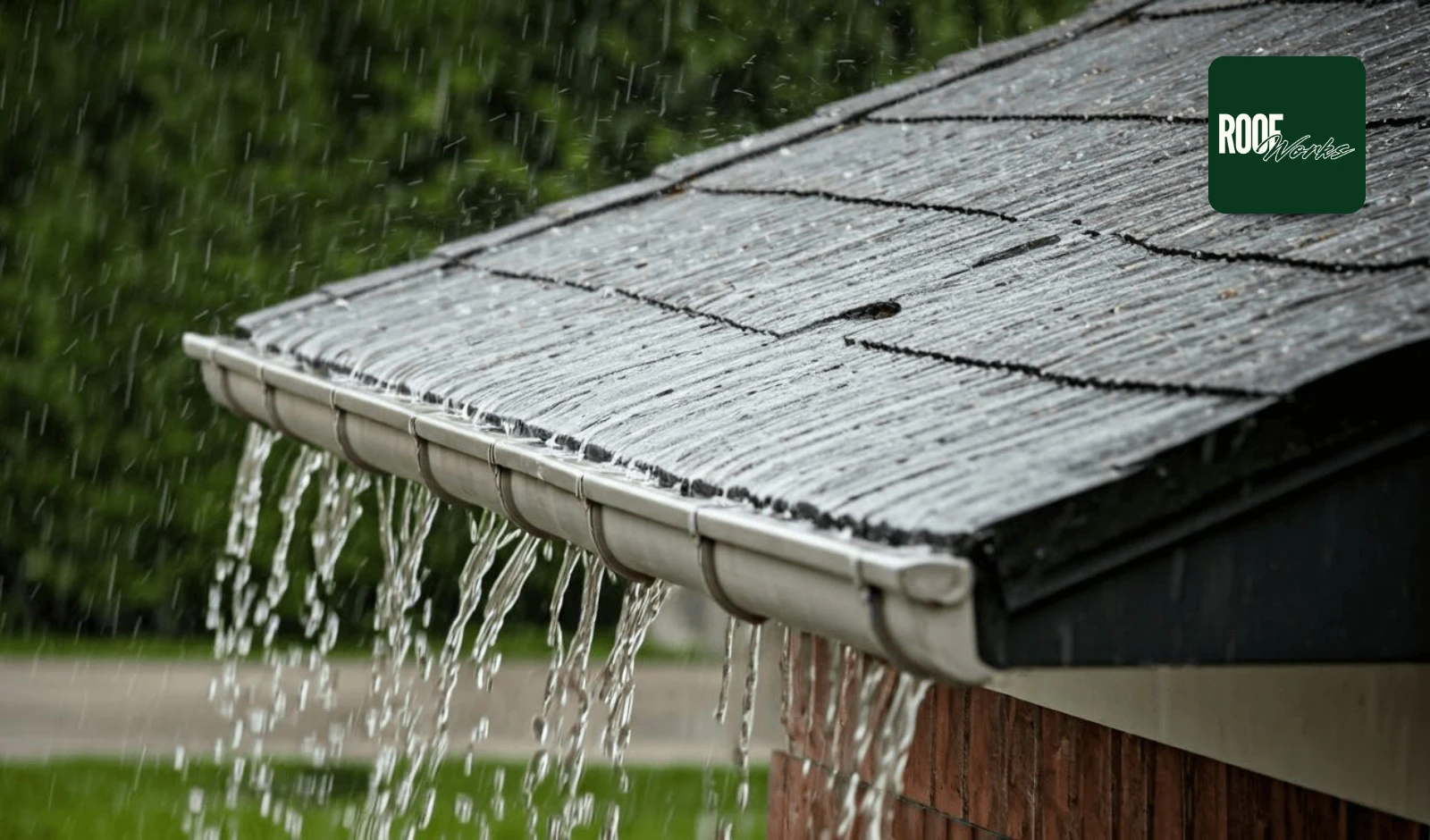

Your gutters play an important role in protecting your home. They collect rainwater and direct it safely away from the roof and foundation. When they stop working properly, water can spill over the sides and cause damage to different parts of your property.
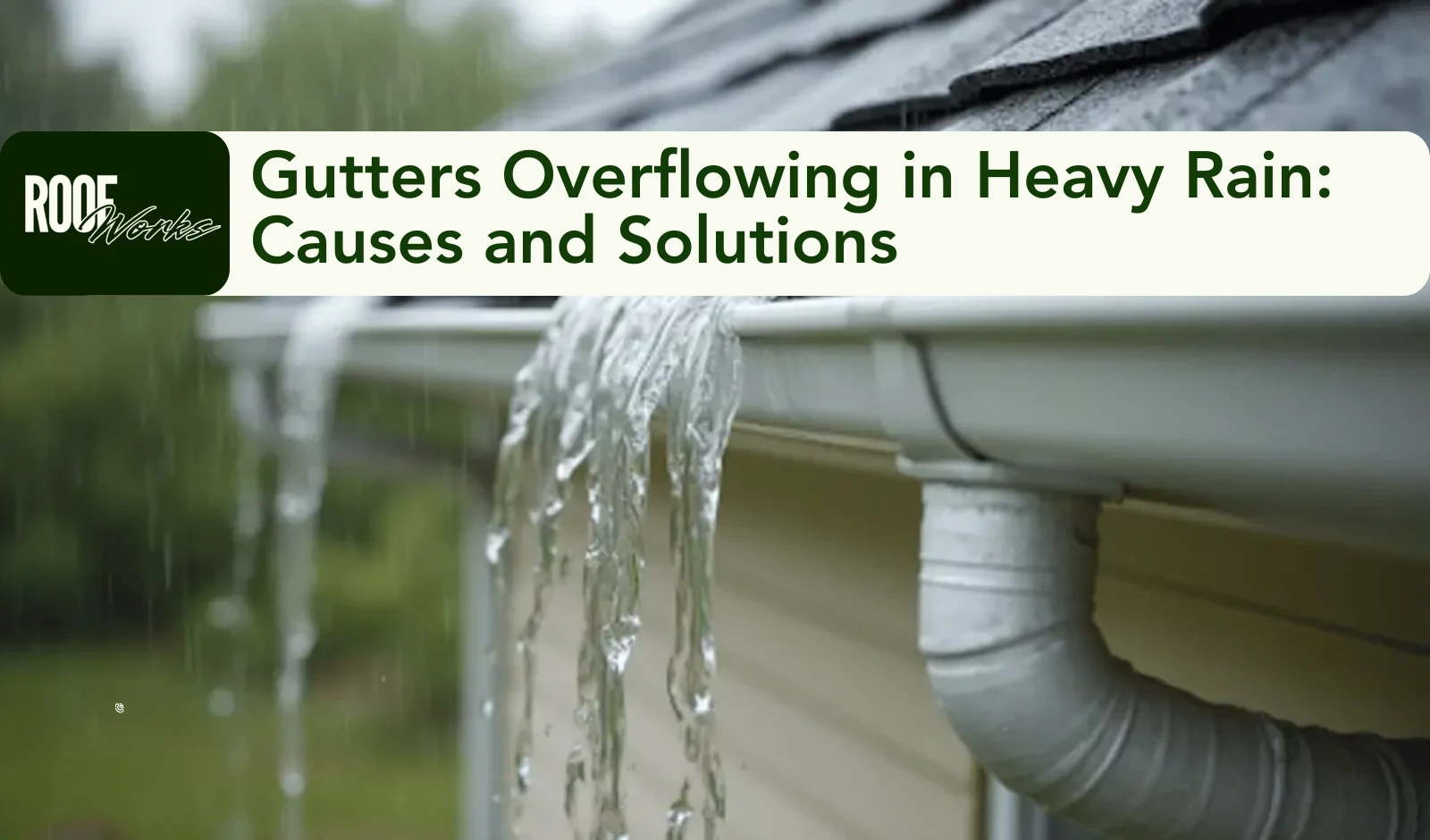
Many homeowners wonder, "Why do my gutters overflow in heavy rain?" While an occasional overflow during an intense storm may happen, repeated problems often point to an issue that needs attention. Understanding what causes gutters to overflow in heavy rain can help you prevent costly repairs and keep your home protected.
Why Do Gutters Overflow in Heavy Rain?
There are several reasons why gutters may overflow in heavy rain. Finding the exact cause is the first step toward fixing the problem.
Blocked Gutters
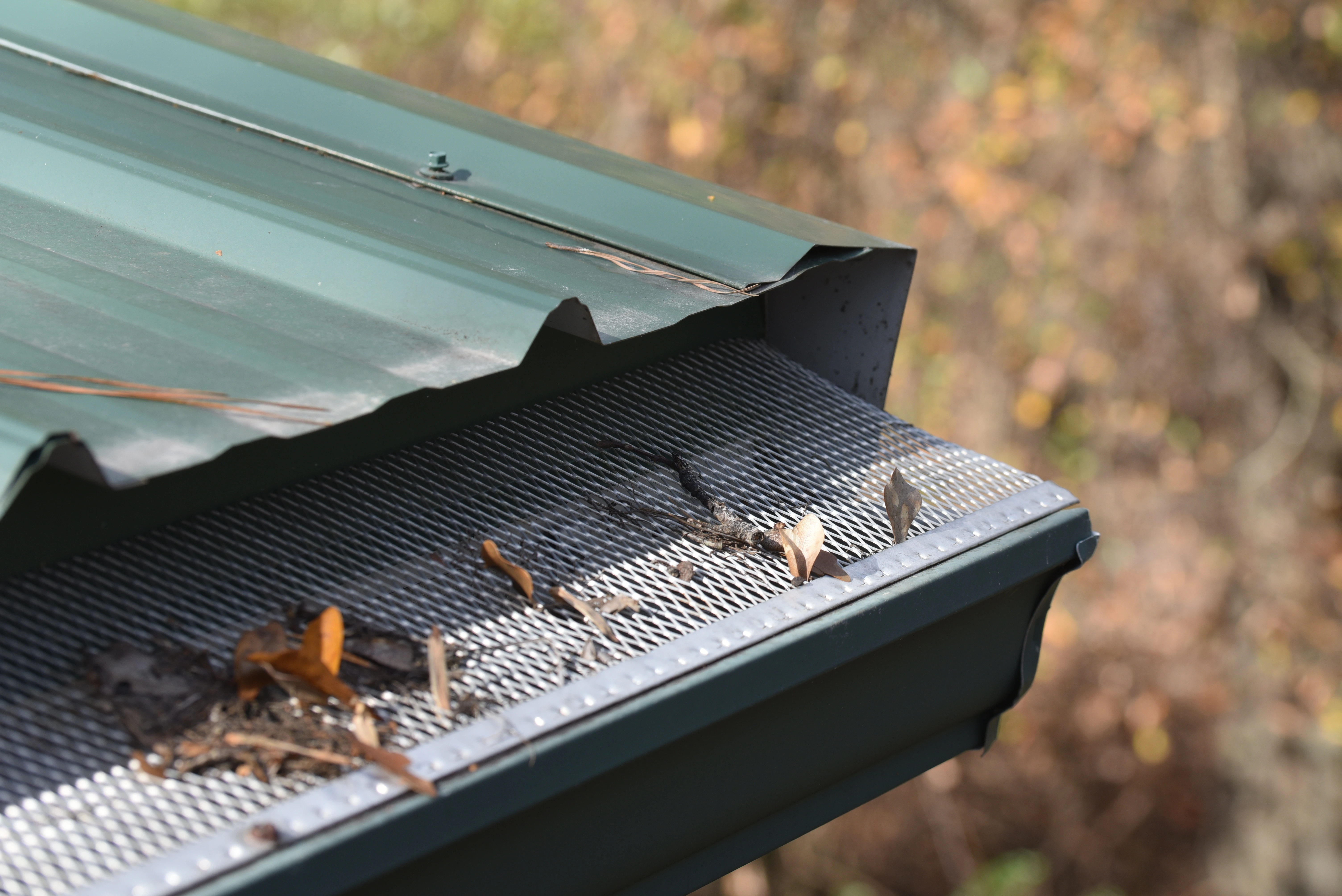
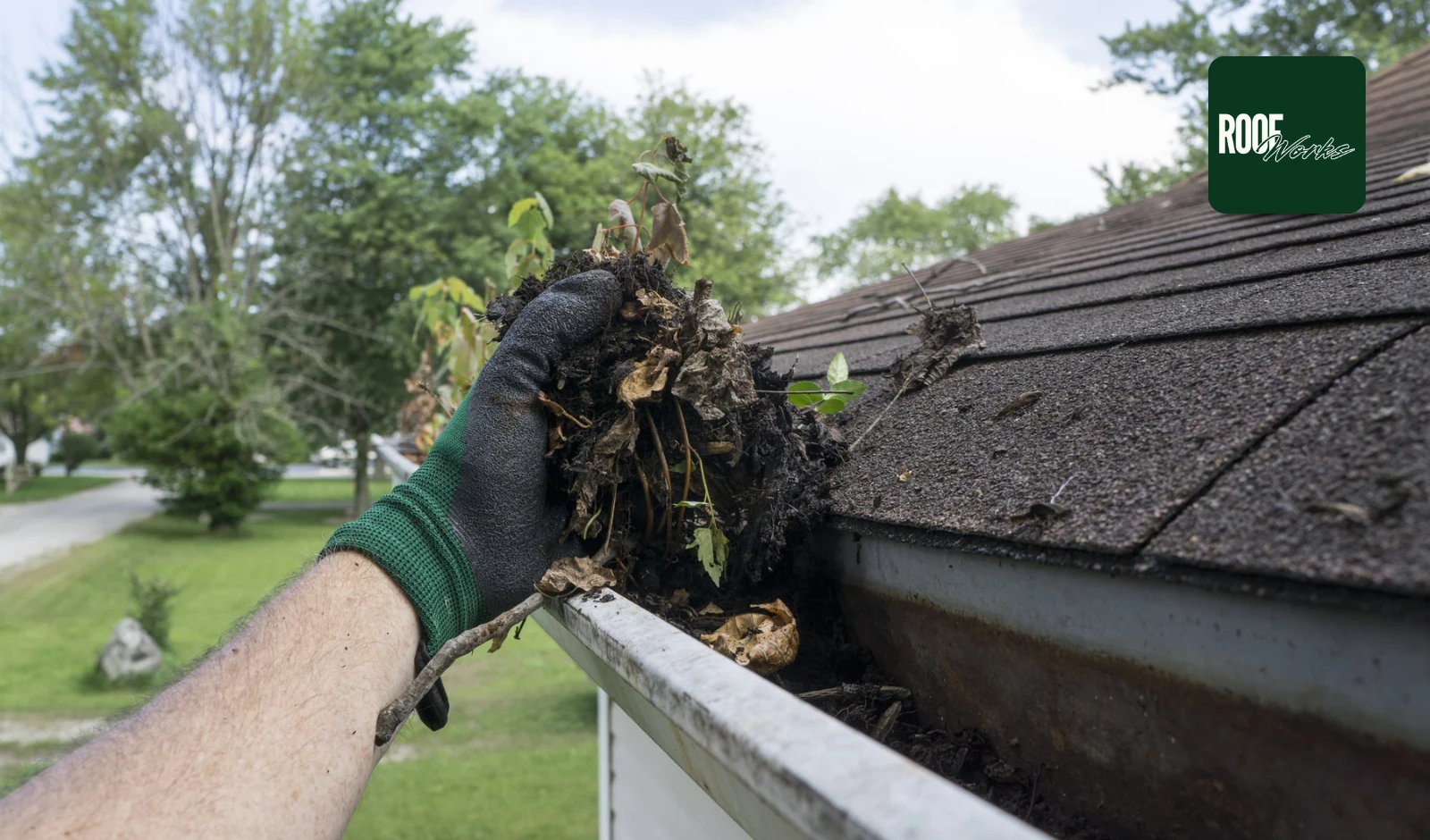
The most common cause of overflowing gutters is a buildup of leaves, twigs, dirt, and other debris. When the gutter is blocked, rainwater cannot move freely toward the downpipes. Instead, the water builds up until it begins water spilling over the sides. Routine gutter maintenance helps keep debris from blocking the flow of rainwater.
Blocked Downpipes
Even if the gutters appear clean, blocked downpipes can stop water from draining properly. When water cannot leave the gutter system, it backs up into the gutters, causing them to overflow during storms. Professional inspections can identify blockages that are difficult to see from the ground.
Gutters That Are Too Small
Some homes have gutters that cannot handle the volume of water produced during heavy storms. If the gutters are undersized, they may struggle to carry enough water during periods of heavy rainfall, even when they are clean. A roofing professional can determine whether larger gutters or additional downpipes are needed.
Can Heavy Rain Cause Gutters to Overflow?
Yes. Very intense storms can sometimes overwhelm even a well-maintained gutter system. However, if your gutters are spilling over during heavy rain every time it rains, there is likely an underlying issue. Regular inspections help determine whether the problem is caused by poor drainage, damaged gutters, or another roofing issue.
Other Causes of Overflow Issues
Several other problems may contribute to overflow issues.
Incorrect Gutter Slope
Gutters need the correct slope to carry rainwater toward the downpipes. If the slope is too flat or uneven, water flow slows down, allowing water to collect and overflow before reaching the outlet.
Damaged Gutters
Cracks, loose brackets, rust, or sagging sections can prevent gutters from working properly. Damaged gutters may hold water instead of directing it away from your home, increasing the chance of overflowing.
Roof Debris
Leaves and branches can quickly collect on the roof and wash into the gutters during storms. Without regular cleaning, debris builds up and restricts the movement of rainwater.
What Problems Can Overflowing Gutters Cause?
Ignoring overflowing gutters can lead to expensive repairs.
Overflowing water may cause:
- Water damage to walls and ceilings
- Damage to fascia boards
- Soil erosion around the home
- Foundation problems
- Mould and mildew growth
- Damage to landscaping
The longer the problem continues, the greater the risk of costly repairs.
How Can You Prevent Gutters From Overflowing?
Preventing gutter problems is usually much easier than repairing water damage later.
Some helpful steps include:
- Schedule regular gutter maintenance
- Remove leaves and debris
- Check gutters after storms
- Repair damaged sections promptly
- Ensure downpipes remain clear
- Consider installing gutter guards where appropriate
Gutter guards can reduce the amount of debris entering the gutters, although they still require occasional maintenance.
When Should You Call a Professional?
If your gutters overflow during every storm or you notice signs of damage, it is time to call a professional. A professional gutter inspection can identify problems that are not always visible from the ground. This may include hidden blockages, damaged brackets, poor gutter slope, or roofing issues contributing to the overflow.
If overflowing water has already entered your home, additional services such as emergency roof leak repair may also be required. Homeowners looking for roof repair in Auckland services should also arrange an inspection if gutter problems have affected the roof or surrounding structures.
Final Thoughts
Gutters overflowing in heavy rain are often a sign that your drainage system needs attention. Whether the problem is caused by blocked gutters, damaged components, or a system that cannot manage the volume of water, early repairs help prevent more serious damage.
Regular inspections and routine maintenance keep your gutters working properly and help protect your roof and home throughout the year.
Protect Your Home With Professional Gutter Services
Overflowing gutters can quickly lead to roof leaks and costly water damage if left untreated. Our experienced team can inspect your gutter system, identify the cause of the problem, and recommend the right solution to keep rainwater flowing safely away from your home.
Call Roof Works today on 03 667 3174 or book online to save $15 and get expert help protecting your roof.



Got a question?
Contact us for a FREE installation quote or book your job online today.

Same Day Service Guarantee - Terms & Conditions

The "Same Day Service Guarantee or it's Free" applies to:
a. Residential work and Commercial only.
b. Jobs specified as needing same day service when booking a job by phone or online.
c. Residential and Commercial work booked with Grammar Electrical:
i) Before 11:00AM
ii) For calls or online bookings received after 11:00AM, the customer will be offered a job. Booking for the next business day and normal callout fees ($170+ GST) will apply.
iii) Any other jobs booked outside business hours (9:00AM - 5:00PM Monday- Friday) will incur after hours charges.
iv) This offer is excluded for jobs booked on New Zealand public holidays.
d. If Grammar Electrical are unable to attend on the same day (within 24 hours) for a job booked by the customer, the standard callout fee of $170 + GST will be waived and is free, but all other normal charges, fees and expenses will apply to perform the Electrical Services and to provide any products/materials concerning those services.
e. The Standard Callout Fee will be deducted from your bill as long as you pay within your invoice's due date. The callout charge is applicable if your invoice is overdue.
f. If Grammar Electrical are willing and able to perform the Service or provide the Goods on the same day the job is booked, however the Customer for whatever reason does not give access to their property on the day, Grammar Electrical will be deemed to have complied with it's "Same Day or it's Free" guarantee and shall be entitled to charge the customer the standard call-out fee.
g. This offer is not a guarantee of work being completed. The completion of the job will depend on stock availability and also the amount of work required.