

.webp)





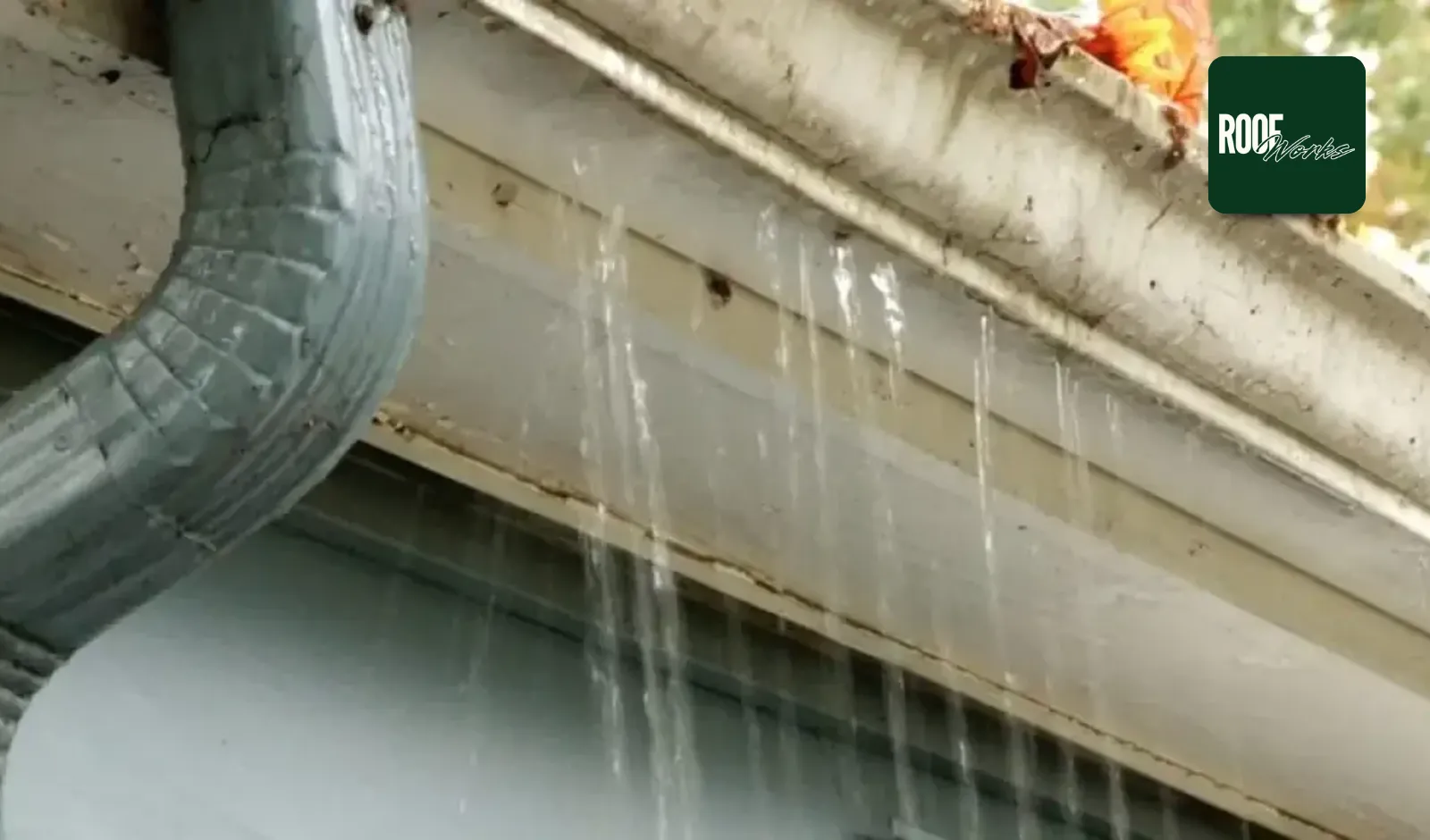

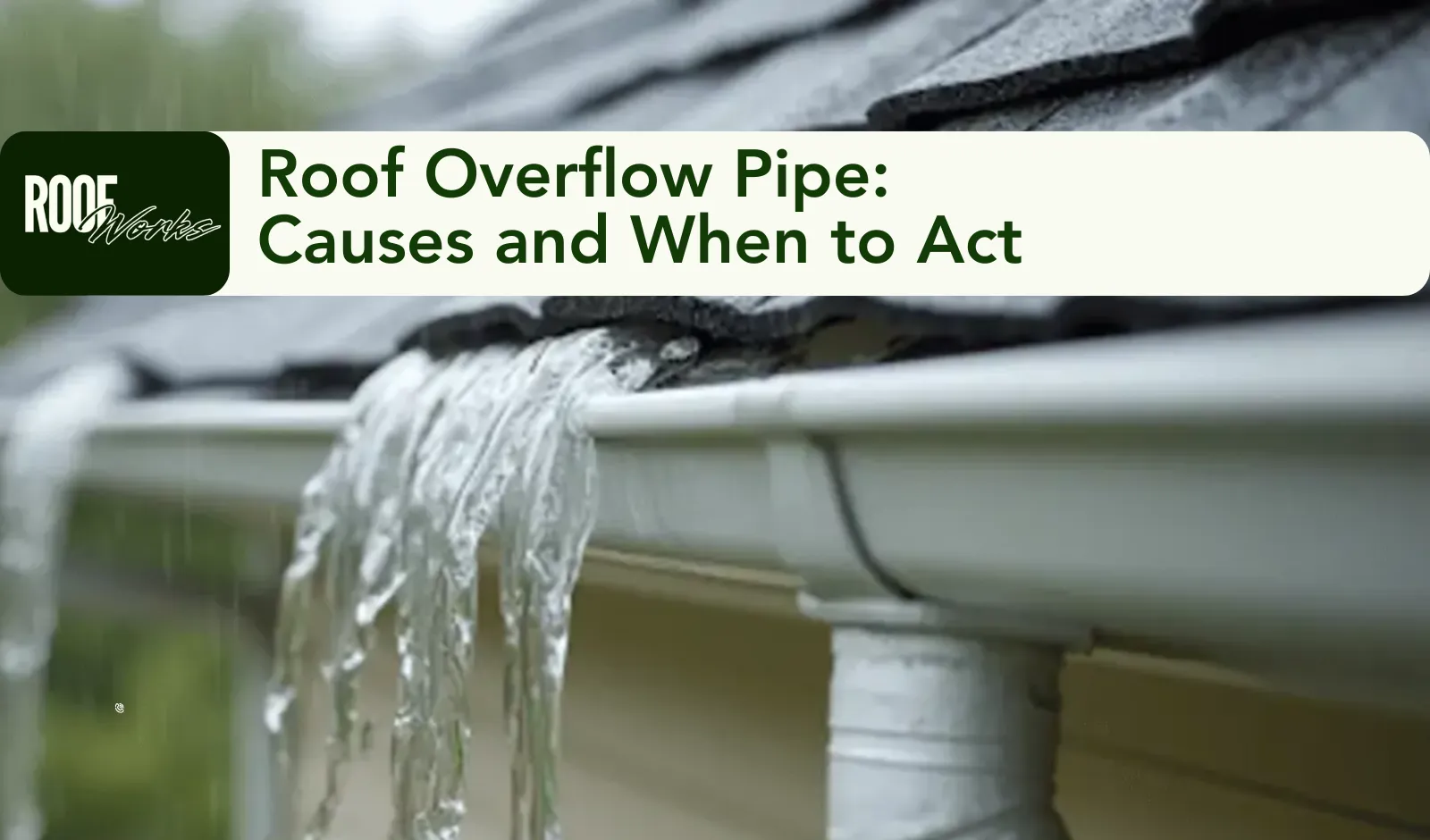
Seeing water coming from a roof overflow pipe can be confusing for many homeowners. At first glance, it may look like a roof leak, but in many cases, roof overflow is linked to internal systems rather than the roofing materials themselves. Knowing what causes this issue and when to act can help prevent unnecessary damage and stress.
This guide explains what a roof overflow pipe is, why it might be dripping, and what steps you should take when it happens.
What Is a Roof Overflow Pipe
A roof overflow pipe is a safety outlet designed to release excess water or pressure from certain household systems. These pipes are usually visible on the roof or exiting through an exterior wall. Their main purpose is to prevent water from building up inside the system and causing damage.
While some occasional dripping can be normal, especially during heavy use, ongoing overflow is a sign that something needs attention.
Common Causes of Roof Overflow
Roof overflow issues usually relate to pressure, temperature, or component failure inside your home’s systems. The most common causes include:
- Hot Water Cylinder Overflows:
One of the most frequent reasons for roof overflow is a hot water cylinder overflow. As water heats up, it expands. If the system cannot manage this expansion properly, excess water is released through the overflow pipe to protect the system.
- Faulty Expansion Valves:
Expansion valves help control pressure inside hot water systems. Over time, these valves can wear out or fail, causing water to escape through the overflow pipe more often than it should.
- Relief Valve Problems:
A relief valve is another safety feature that releases water when pressure becomes too high. If this valve is damaged or ageing, it may allow constant or frequent water flow.
- General Wear and Tear:
Like any part of a home, plumbing components experience wear and tear. Loose connections, worn seals, or ageing pipes can all lead to pipes dripping fromthe roof areas.
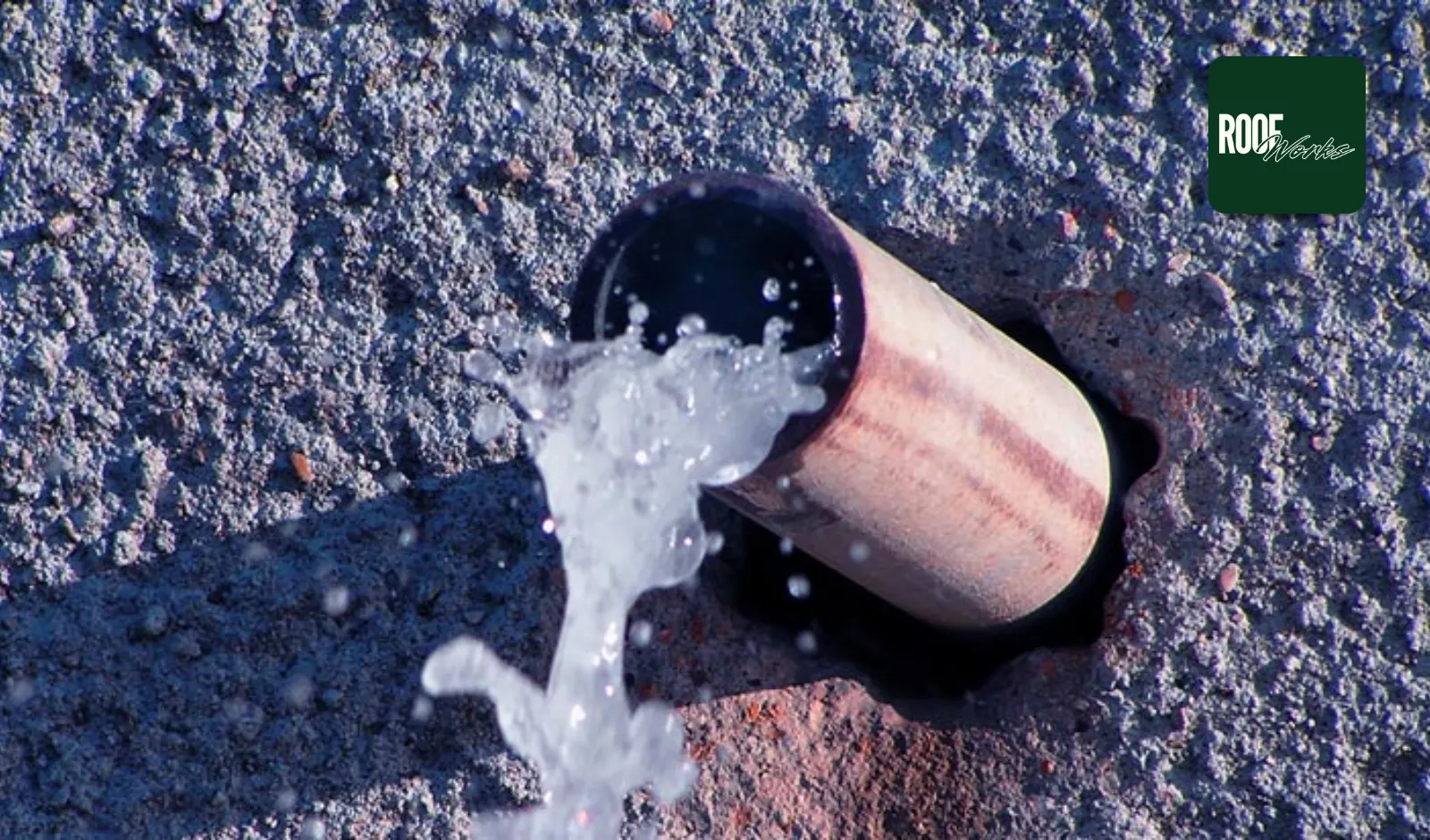
Is Pipe Dripping From the Roof Normal
Occasional dripping from a roof overflow pipe can be normal, particularly after heavy hot water use. However, steady dripping or frequent overflow is not something to ignore.
Signs that the issue may need attention include:
- Water running regularly from the pipe
- Dripping that continues even when hot water is not in use
- Increased water bills
- Damp areas near the roof or external walls
Ignoring these signs can lead to bigger problems over time.
Why Roof Overflow Should Not Be Ignored
Roof overflow is often mistaken for a simple plumbing issue, but if left unresolved, it can cause moisture damage around roof areas, gutters, and walls. Over time, this moisture can weaken materials and lead to visible damage.
In more serious situations, ongoing overflow may result in internal water problems that lead homeowners to seek emergency roof leak repair, especially if water starts affecting ceilings or living spaces.
What to Do When You Notice Roof Overflow
If you notice water coming from an overflow pipe on your roof, start by observing how often it occurs. Check whether it happens only after hot water use or continues throughout the day.
Never block or cap an overflow pipe. These pipes are critical safety features, and blocking them can create dangerous pressure inside the system.
The safest next step is to have the system inspected by a qualified professional who can check pressure settings, valves, and connections.
When to Seek Professional Help
If you notice roof overflow continuing, becoming heavier, or happening more often, start looking for roof repair services near you to check whether the issue is related to roof damage or an underlying system fault.
Early inspection can help prevent unnecessary repairs and ensure the problem is resolved correctly.
Final Thoughts
A roof overflow pipe plays an important role in keeping your home safe, but it should not be constantly releasing water. While occasional dripping can be normal, ongoing roof overflow is usually a sign of pressure or component issues that need attention.
Understanding the causes and knowing when to act helps homeowners avoid water damage and costly repairs. Prompt inspection and proper maintenance ensure your systems continue to operate safely and efficiently.
Take the Next Step to Protect Your Home
If you notice ongoing roof overflow or water dripping from an overflow pipe, getting professional advice early can help prevent further damage and unnecessary repairs. At Roof Works, a proper inspection can identify whether the issue is related to pressure control, worn components, or roofing-related concerns.
Call Roof Works today on 03 667 3174 or book online to save $15 and get expert help before the problem worsens.


Got a question?
Contact us for a FREE installation quote or book your job online today.

Same Day Service Guarantee - Terms & Conditions

The "Same Day Service Guarantee or it's Free" applies to:
a. Residential work and Commercial only.
b. Jobs specified as needing same day service when booking a job by phone or online.
c. Residential and Commercial work booked with Grammar Electrical:
i) Before 11:00AM
ii) For calls or online bookings received after 11:00AM, the customer will be offered a job. Booking for the next business day and normal callout fees ($170+ GST) will apply.
iii) Any other jobs booked outside business hours (9:00AM - 5:00PM Monday- Friday) will incur after hours charges.
iv) This offer is excluded for jobs booked on New Zealand public holidays.
d. If Grammar Electrical are unable to attend on the same day (within 24 hours) for a job booked by the customer, the standard callout fee of $170 + GST will be waived and is free, but all other normal charges, fees and expenses will apply to perform the Electrical Services and to provide any products/materials concerning those services.
e. The Standard Callout Fee will be deducted from your bill as long as you pay within your invoice's due date. The callout charge is applicable if your invoice is overdue.
f. If Grammar Electrical are willing and able to perform the Service or provide the Goods on the same day the job is booked, however the Customer for whatever reason does not give access to their property on the day, Grammar Electrical will be deemed to have complied with it's "Same Day or it's Free" guarantee and shall be entitled to charge the customer the standard call-out fee.
g. This offer is not a guarantee of work being completed. The completion of the job will depend on stock availability and also the amount of work required.