

.webp)







Roof flashing may be a small part of your roof, but it plays a critical role in keeping your home dry. When flashing fails, water can enter quickly and cause damage that spreads through ceilings, walls, and roof structures. Knowing when and how to replace roof flashing helps homeowners act early and avoid costly repairs.
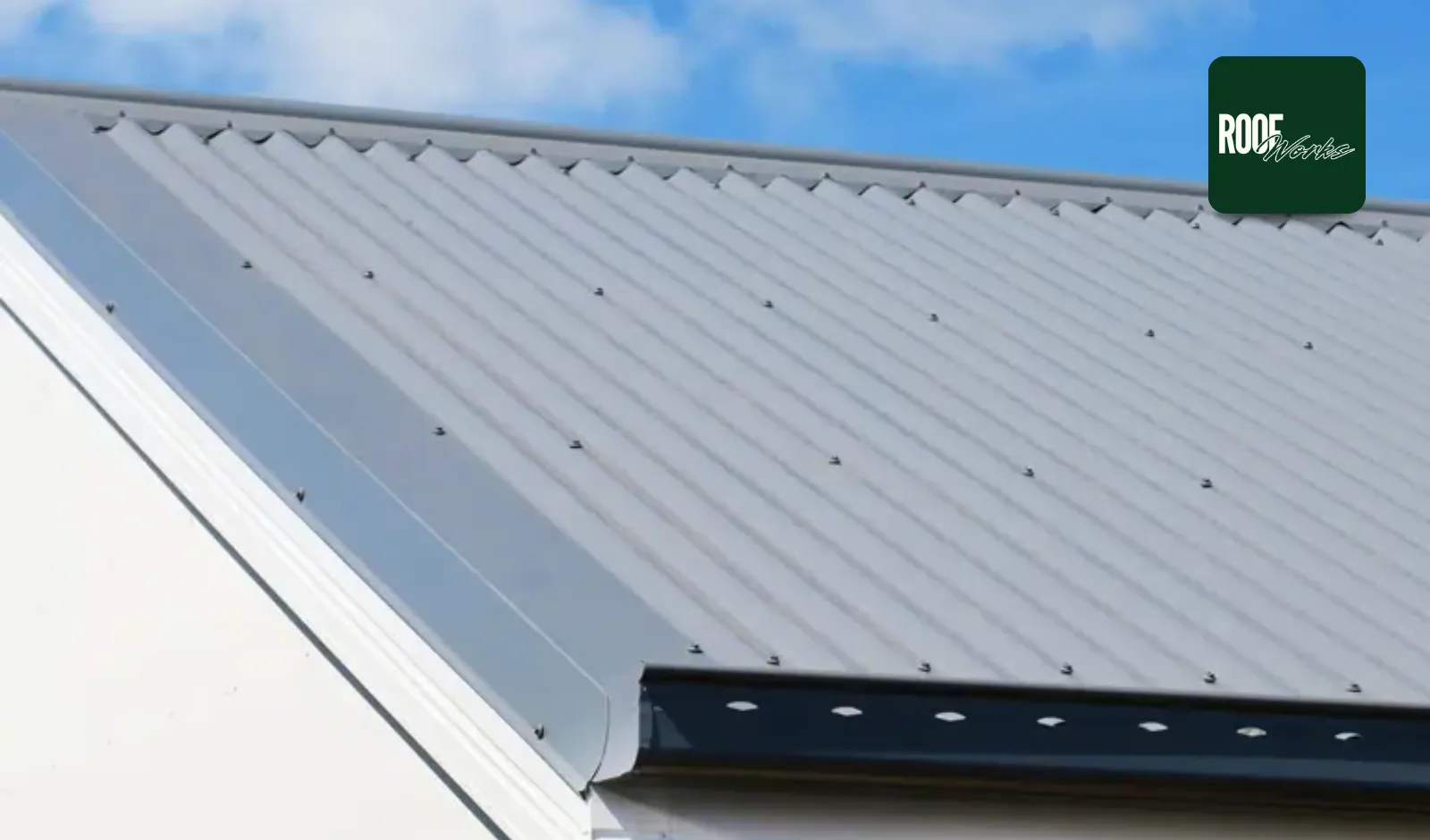
What Is Roof Flashing and Why Does It Matter
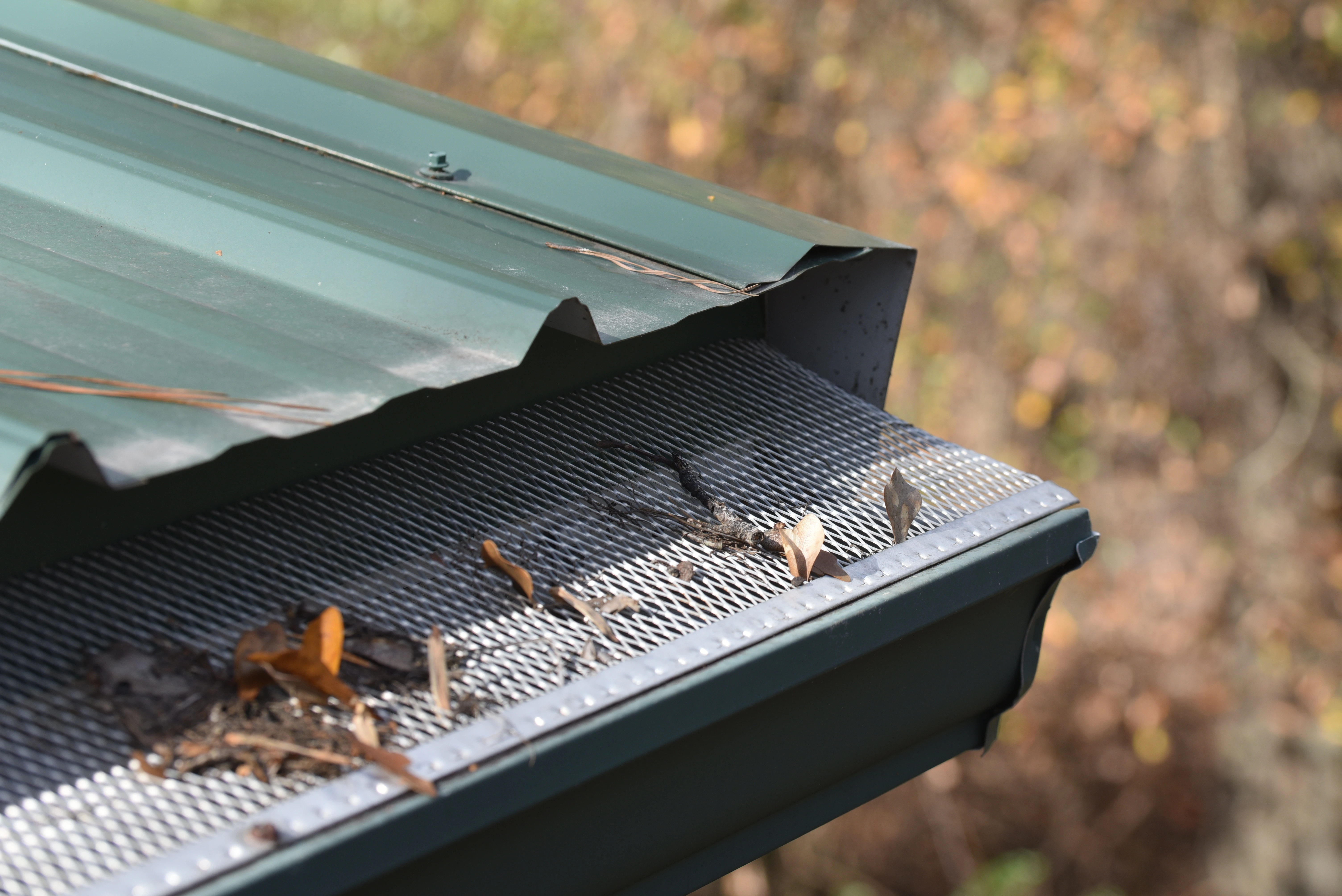
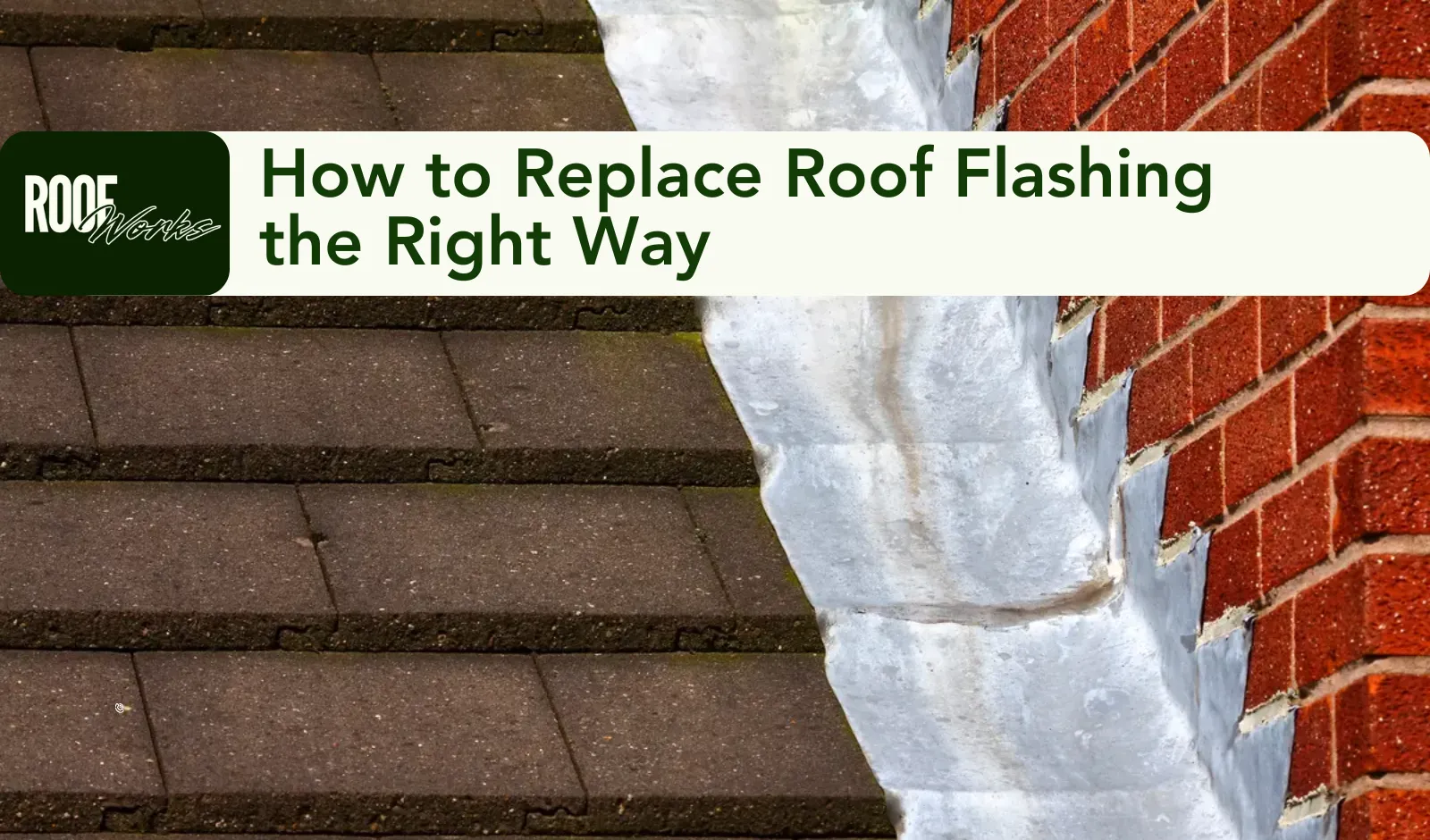
Roof flashing is a thin material, usually metal, installed around roof joints, edges, chimneys, and penetrations. Its purpose is to guide water away from vulnerable areas and protect the roof structure below.
On metal roofs, especially, flashing must allow for movement as materials expand and contract. When flashing stops working properly, roof leaks are often the first sign of trouble.
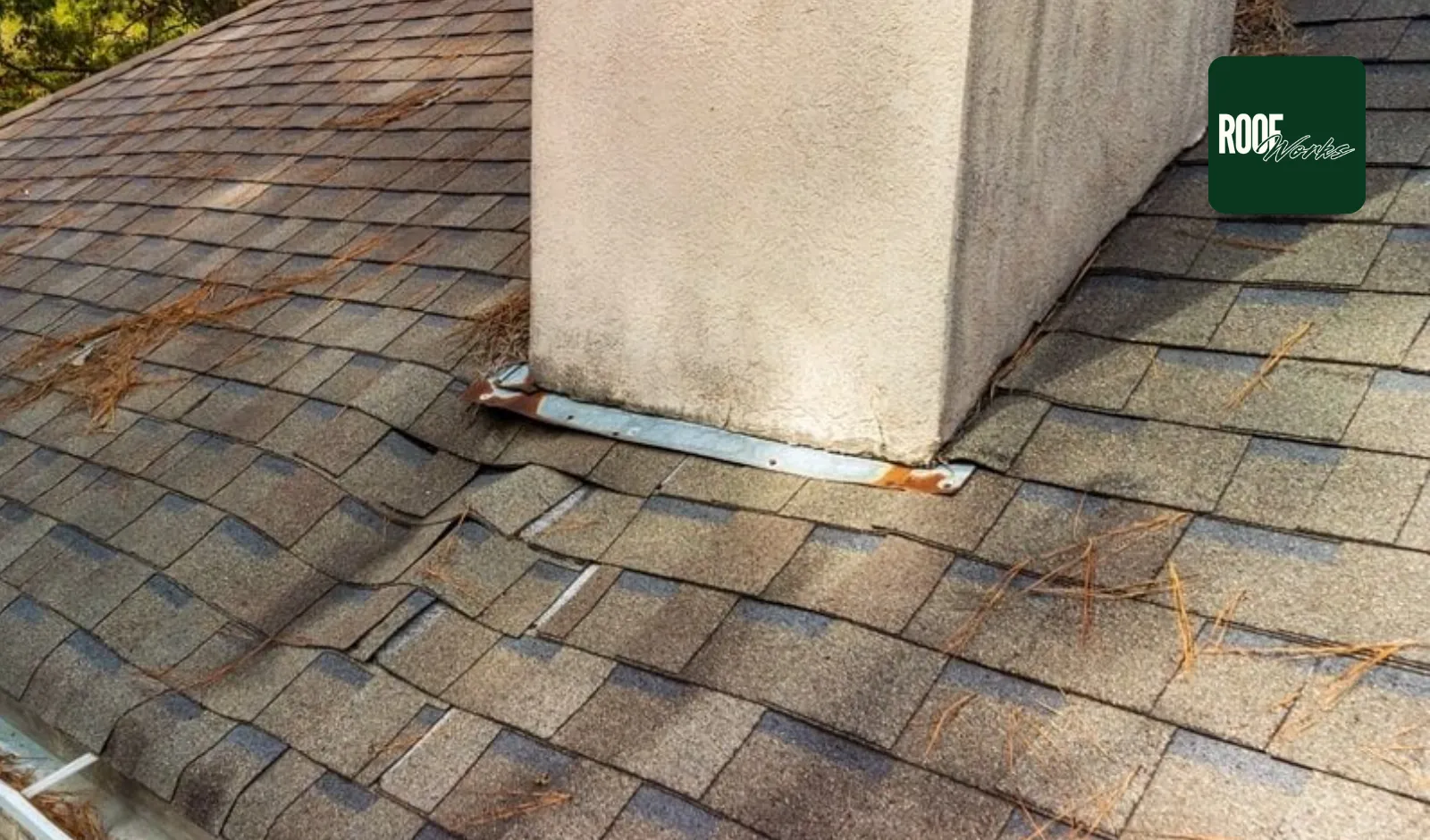
Signs You May Need to Replace Roof Flashing
Not all flashing issues are obvious at first. Common signs include:
- Visible rust or cracks
- Loose or lifted flashing sections
- Water stains inside the home
- Repeated leaks after rainfall
If existing flashing is worn or incorrectly installed, patching may no longer be enough. In these cases, full replacement is often the safer option.
How to Replace Roof Flashing Safely
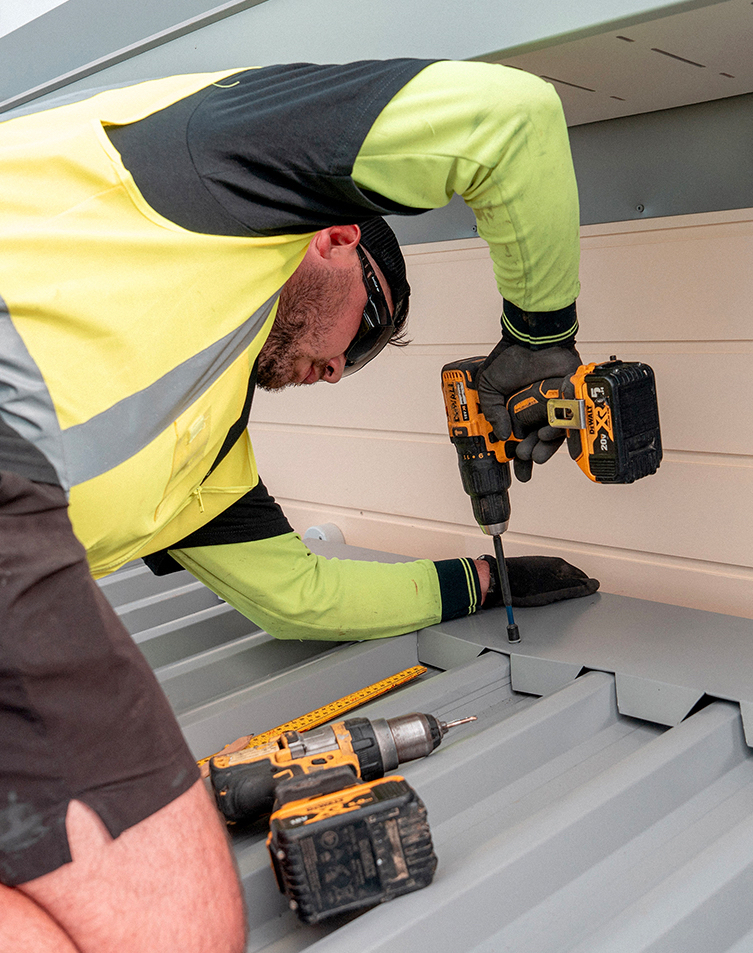
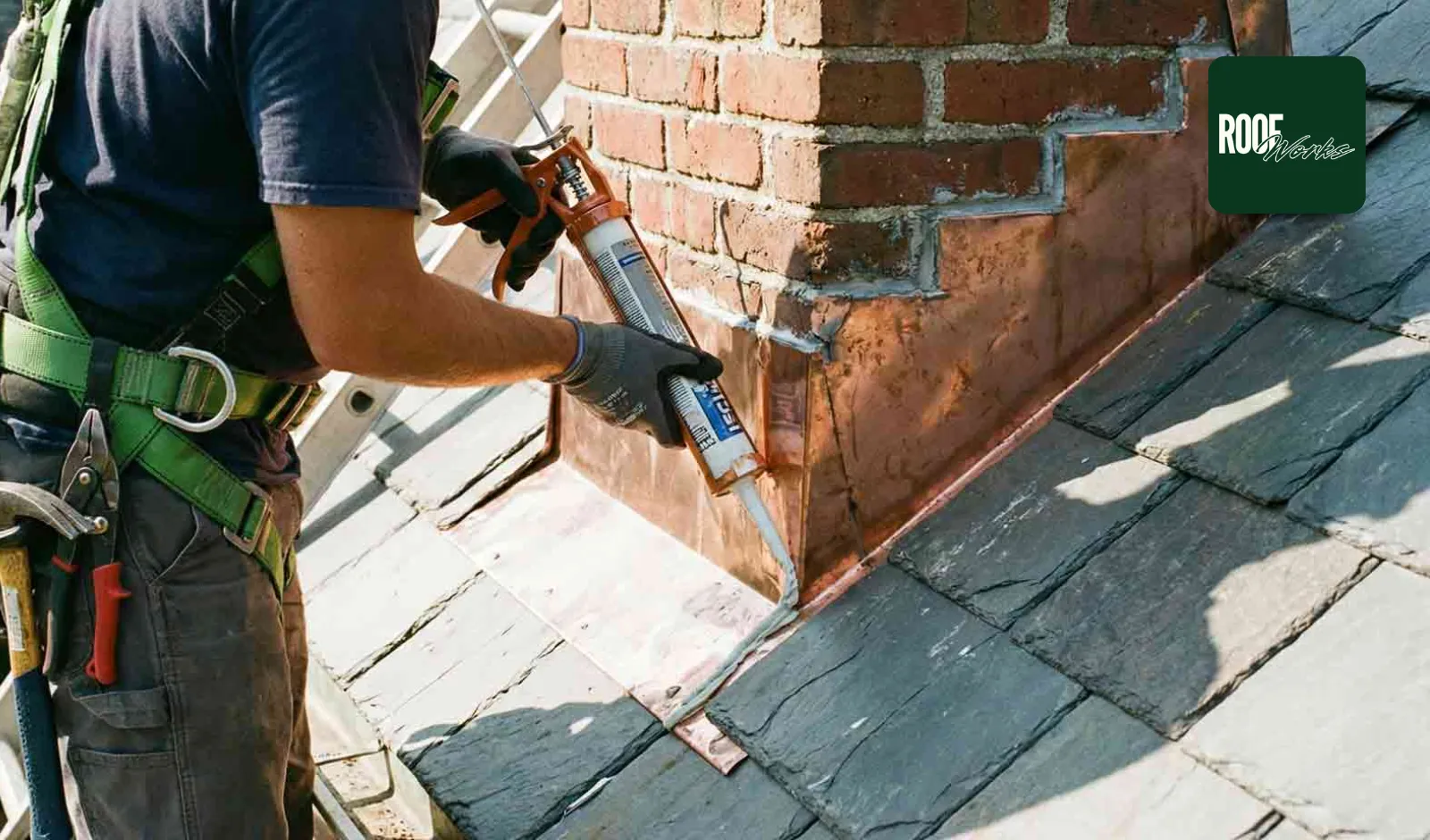
Many homeowners search for how to replace roof flashing, but the process is more complex than it looks. Replacement typically involves removing old flashing, checking the surrounding roofing material, and fitting new flashing that integrates properly with the roof.
To replace roof flashing correctly, the surrounding area must be clean, dry, and structurally sound. New flashing is shaped and secured in a way that directs water away without restricting roof movement. Even small installation errors can compromise the seal and lead to future leaks.
Why Professional Flashing Repairs Are Recommended
Flashing sits in areas where water pressure is highest, making precision essential. A qualified roofing contractor understands how different roof types behave and how flashing should be installed to suit them.
Professional flashing repairs focus on long-term performance, not short-term fixes. This reduces the risk of repeat leaks, ongoing roof repair costs, and damage spreading to other parts of the home.
The Risk of Ignoring Damaged Roof Flashing
When damaged roof flashing is left untreated, water can travel beneath roofing layers and into the structure. Over time, this can weaken timber, insulation, and ceilings.
In severe cases, flashing failure leads homeowners to require emergency roof leak repair when water suddenly enters living spaces. Early replacement helps avoid these situations and protects the roof’s integrity.
When to Seek Expert Help
If flashing issues keep returning or leaks persist after repairs, a professional assessment is recommended. Many homeowners dealing with recurring leaks begin looking into roof repairs in Auckland services to determine whether flashing replacement is the best solution.
A proper inspection can identify whether replacement is needed and ensure the new flashing works with the rest of the roof system.
Final Thoughts
Knowing how to replace roof flashing helps homeowners understand why this task is best handled by professionals. Correct replacement protects your roof from water damage, maintains a watertight seal, and supports the roof’s long-term performance.
Replacing flashing at the right time can prevent roof leaks, reduce future repair costs, and help keep your home safe and dry.
Take the Next Step to Protect Your Roof
If you are dealing with damaged or leaking roof flashing, getting professional advice early can help prevent further water damage and costly repairs. A proper inspection will confirm whether flashing replacement is needed and ensure your roof stays watertight for the long term.
Call Roof Works today on 03 667 3174 or book online to save $15 and get expert help before small flashing issues turn into bigger roof problems.


Got a question?
Contact us for a FREE installation quote or book your job online today.

Same Day Service Guarantee - Terms & Conditions

The "Same Day Service Guarantee or it's Free" applies to:
a. Residential work and Commercial only.
b. Jobs specified as needing same day service when booking a job by phone or online.
c. Residential and Commercial work booked with Grammar Electrical:
i) Before 11:00AM
ii) For calls or online bookings received after 11:00AM, the customer will be offered a job. Booking for the next business day and normal callout fees ($170+ GST) will apply.
iii) Any other jobs booked outside business hours (9:00AM - 5:00PM Monday- Friday) will incur after hours charges.
iv) This offer is excluded for jobs booked on New Zealand public holidays.
d. If Grammar Electrical are unable to attend on the same day (within 24 hours) for a job booked by the customer, the standard callout fee of $170 + GST will be waived and is free, but all other normal charges, fees and expenses will apply to perform the Electrical Services and to provide any products/materials concerning those services.
e. The Standard Callout Fee will be deducted from your bill as long as you pay within your invoice's due date. The callout charge is applicable if your invoice is overdue.
f. If Grammar Electrical are willing and able to perform the Service or provide the Goods on the same day the job is booked, however the Customer for whatever reason does not give access to their property on the day, Grammar Electrical will be deemed to have complied with it's "Same Day or it's Free" guarantee and shall be entitled to charge the customer the standard call-out fee.
g. This offer is not a guarantee of work being completed. The completion of the job will depend on stock availability and also the amount of work required.