

.webp)








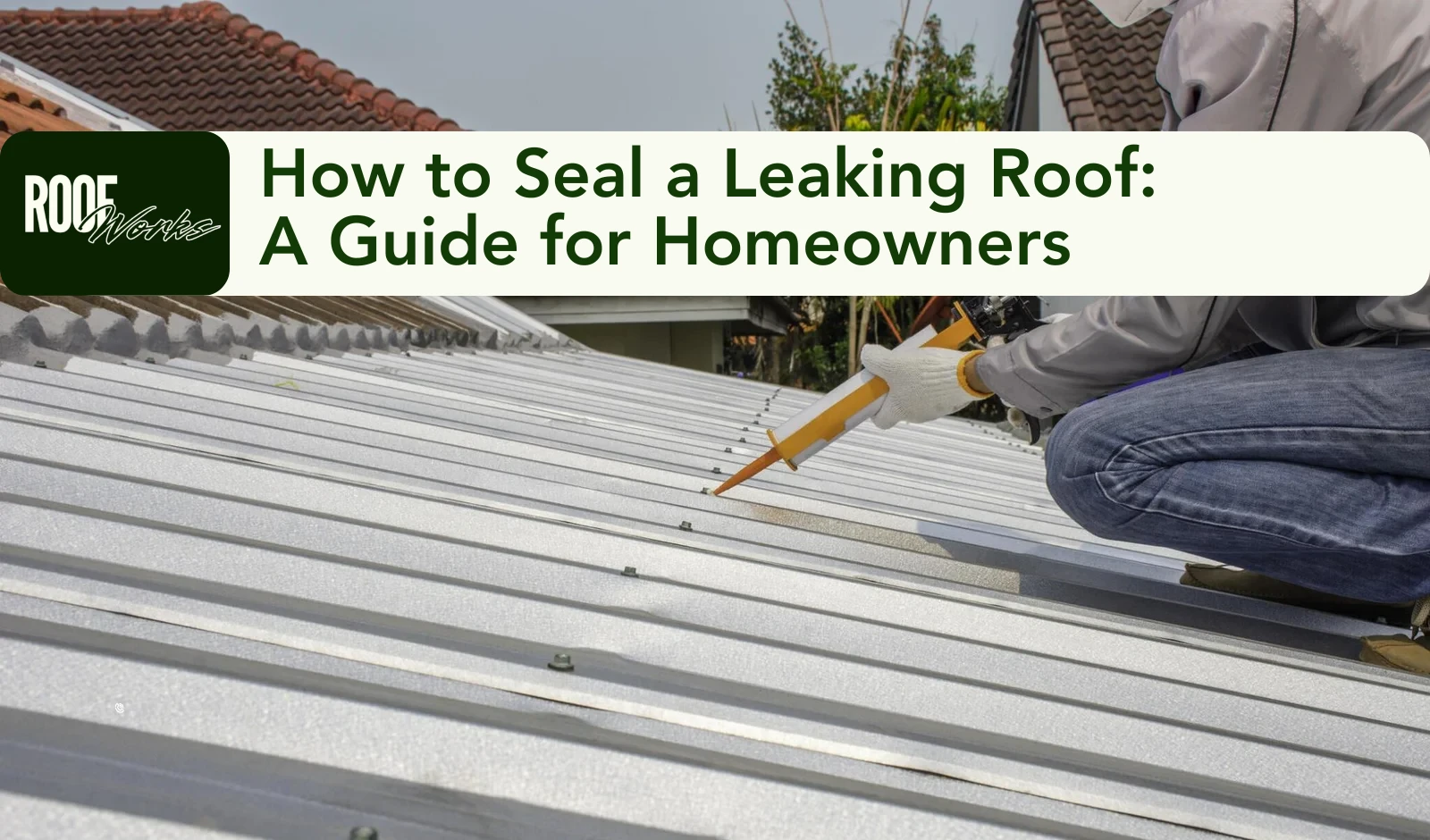
A roof leak can be stressful for any homeowner. Even a small drip can quickly lead to ceiling damage, mould growth, and costly repairs if left untreated. Many people search for how to seal a leaking roof when they notice water stains, damp patches, or dripping during rain.
While sealing can play an important role in roof protection, it is essential to understand when sealing is appropriate and when repairs are needed first. Knowing how the process works helps homeowners avoid temporary fixes that fail over time.
How to Seal a Roof Starts With Finding the Leak
Before any sealing work begins, the source of the leak must be identified. Water does not always enter the roof where it appears inside the home. It can travel along roofing materials, beams, or insulation before becoming visible.
Common leak entry points include:
- Cracked or damaged roofing materials
- Failed flashing around chimneys or vents
- Loose fasteners or exposed fixings
- Gaps along roof edges or joins
Sealing without identifying the real entry point often leads to ongoing leaks and repeated repairs.
Can You Seal a Leaking Roof Without Repairs?
In some cases, minor surface issues such as small cracks or worn sealant can be addressed with sealing. However, sealing alone is not suitable for all situations.
If the roof has:
- Structural damage
- Loose or broken materials
- Widespread wear and tear
- Water is already trapped beneath the surface
Then repairs must be completed first. Applying sealant over damaged areas can trap moisture and make the problem worse.
Sealing Methods Used on Different Roof Types
The way a roof is sealed depends on the roof type and materials used.
- Metal Roofs
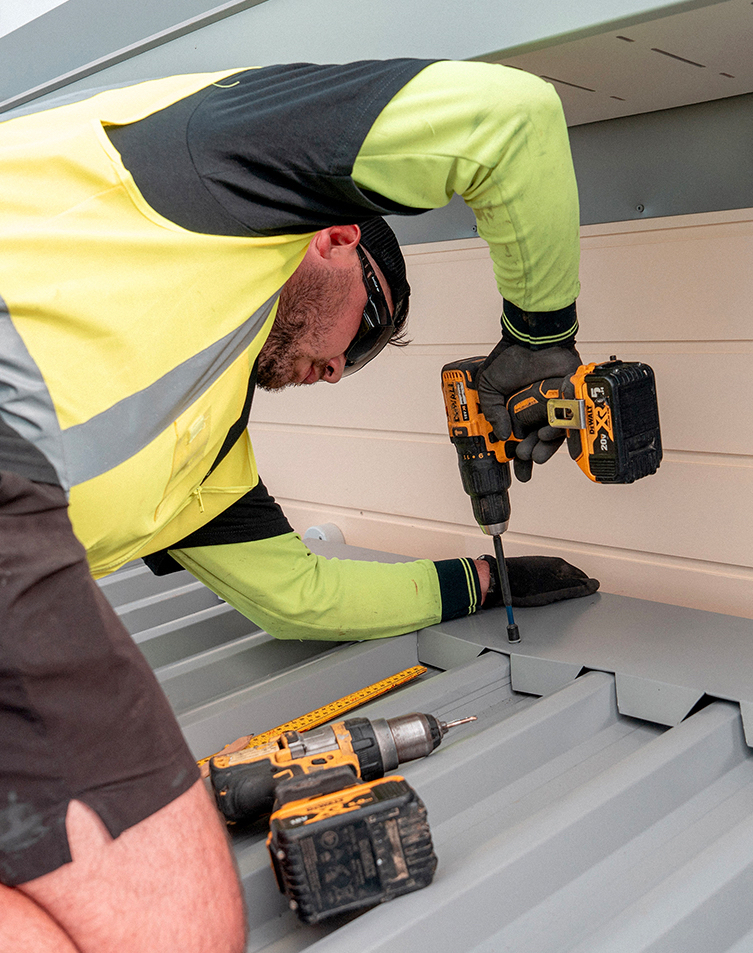
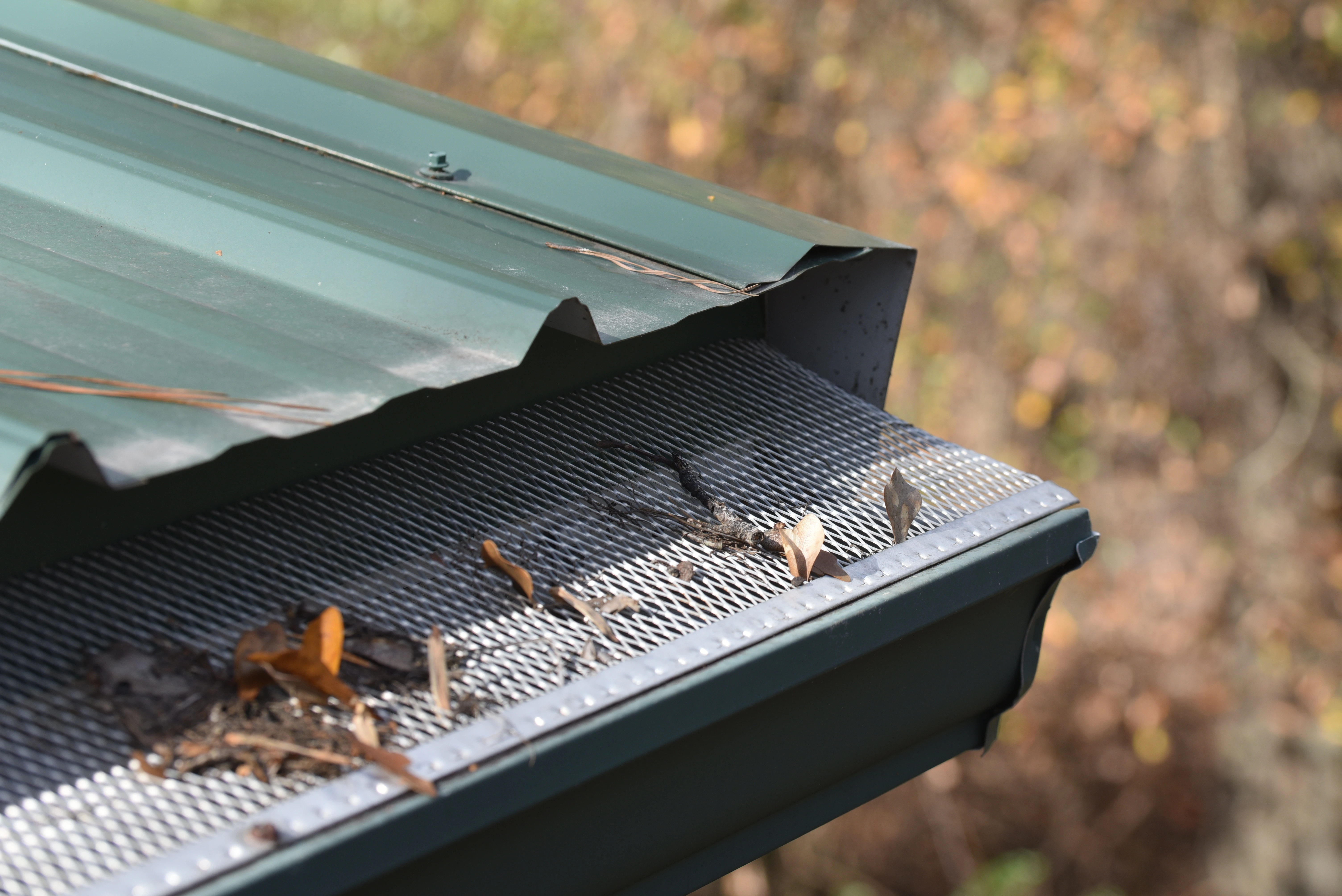
Metal roofs may develop leaks around screws, seams, or flashing. Sealing often involves resealing joints or applying protective coatings after repairs are completed. Because metal expands and contracts, sealants must be flexible.
- Concrete or Tiled Roofs
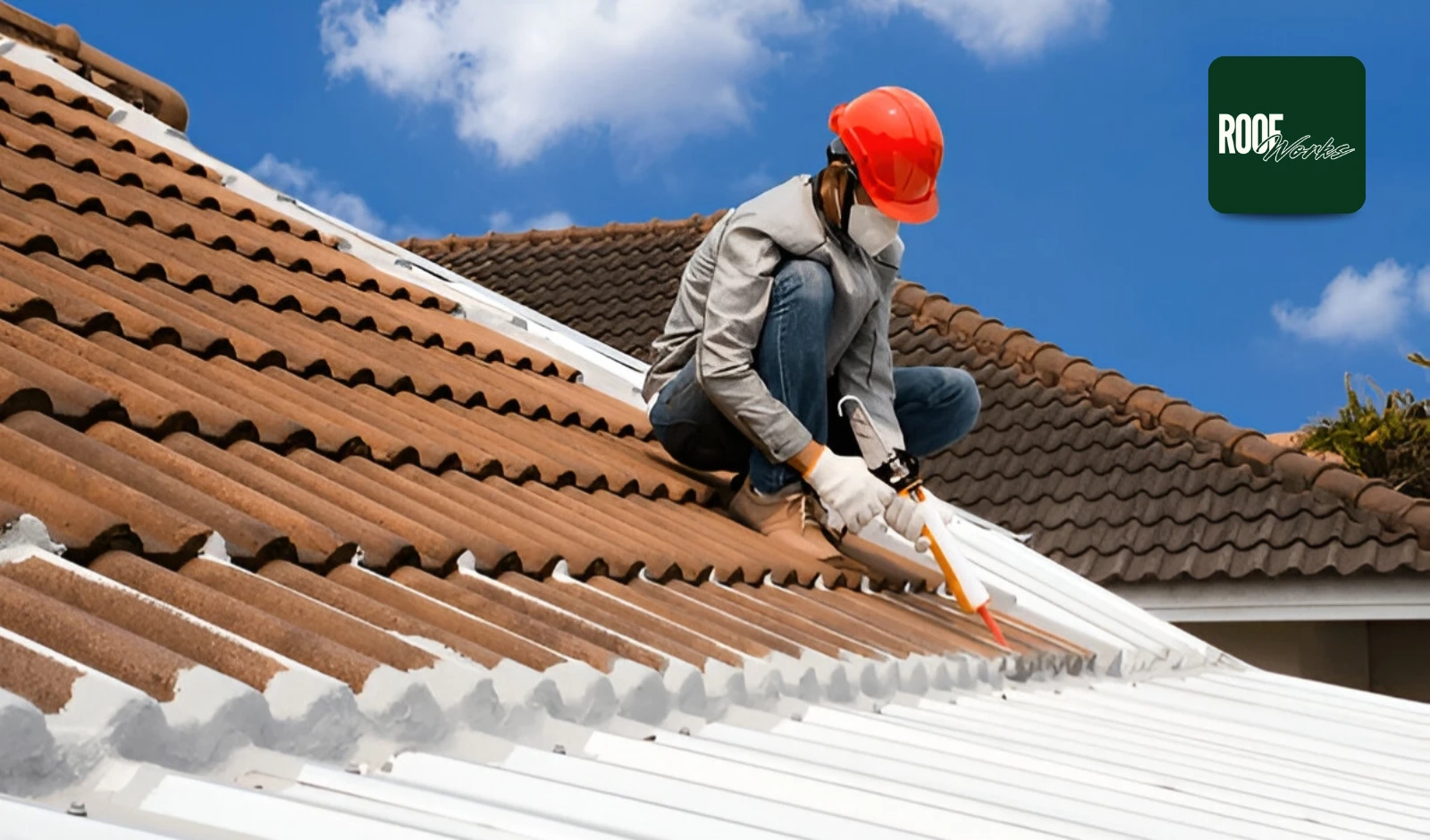
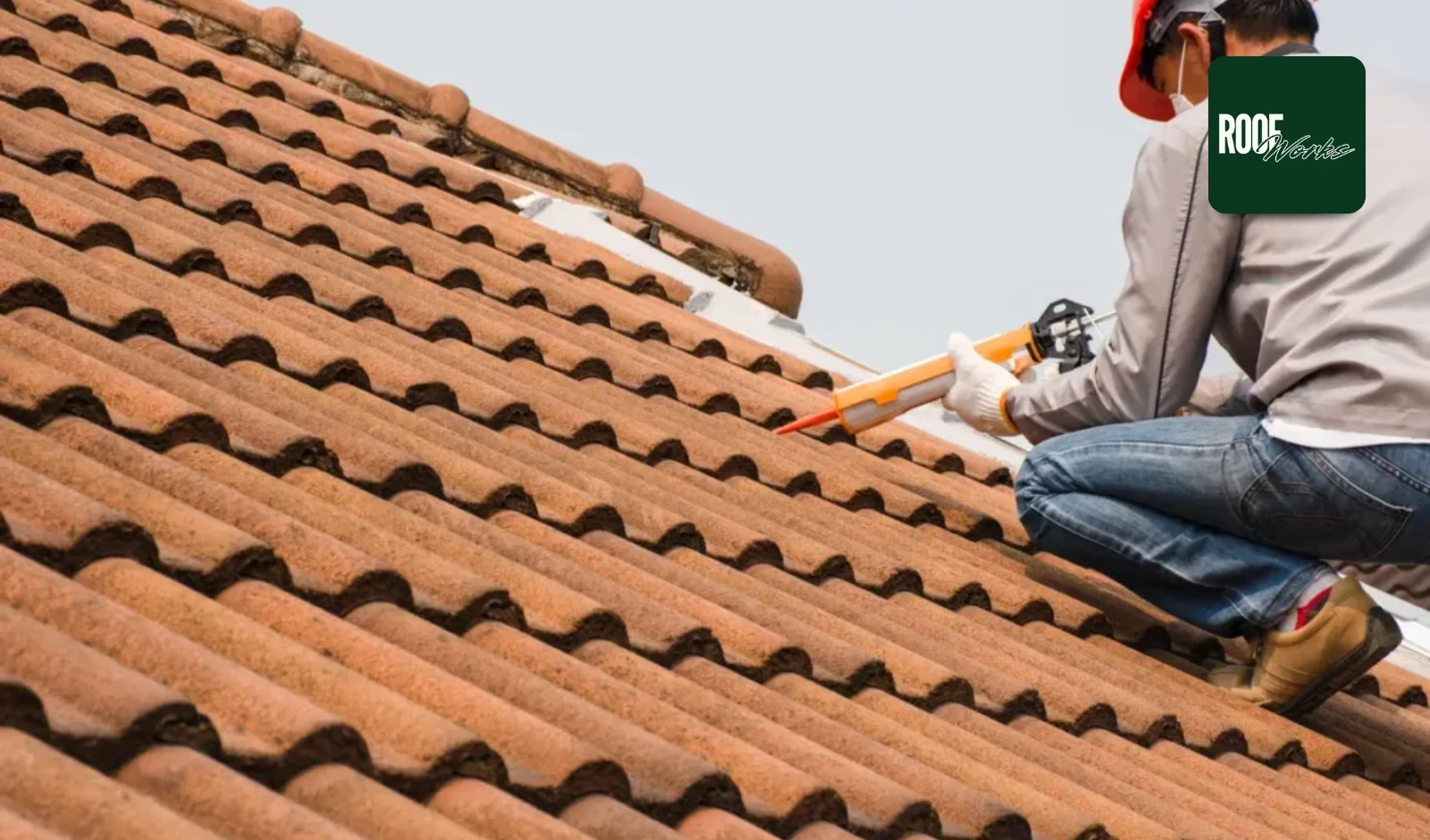
Concrete tiled roofs may leak due to cracked tiles or porous surfaces. Individual tiles are usually repaired or replaced before sealing is considered for added protection.
- Flat or Low-Slope Roofs
Flat roofs are more prone to pooling water. Sealing is often used as part of a broader repair solution after addressing drainage or membrane issues.
Why Preparation Is Critical Before Sealing
Proper preparation determines whether sealing will last or fail. This includes:
- Cleaning the roof surface
- Removing old or failing sealant
- Repairing damaged materials
- Ensuring the surface is dry
Skipping preparation can prevent sealants from bonding properly, leading to early failure.
When Sealing Is Not Enough
Some leaks are too severe for sealing alone. If water enters the home suddenly or spreads quickly during heavy rain, emergency roof leak repair may be required to stop damage before sealing can even be considered.
- Situations where sealing is not enough include:
- Active structural movement
- Widespread roof deterioration
- Long-term water damage
- Repeated leaks in the same area
In these cases, sealing is only effective after proper repairs are completed.
How Sealing Helps After Repairs
Once repairs are completed, roof sealing can play an important role in protecting the roof. A correctly applied sealant helps:
- Restore a watertight surface
- Reduce future leak risk
- Improve weather resistance
- Extend the roof’s usable life
This makes sealing a preventative step rather than a quick fix.
Common Mistakes Homeowners Make
Homeowners often run into problems when they:
- Apply sealant without fixing the underlying damage
- Use the wrong product for their roof type
- Seal over wet or dirty surfaces
- Assume sealing replaces proper repairs
Understanding how to seal a roof properly helps avoid these mistakes and prevents repeat issues.
Why Professional Assessment Matters
Roof leaks are rarely straightforward. What looks like a simple issue may be part of a larger problem affecting the roof system. A professional assessment helps determine whether sealing is suitable or if repairs are required first.
In areas exposed to frequent rain and changing weather, many homeowners consider roof repairs in Auckland as part of a long-term roof care plan before sealing is applied.
Professional guidance helps ensure the right solution is used for the specific roof.
Long-Term Benefits of the Right Approach
When sealing is done at the right time and for the right reasons, it offers several long-term benefits:
- Fewer repeat leaks
- Reduced repair costs over time
- Better roof performance
- Improved peace of mind
Sealing works best as part of regular roof maintenance rather than as a reaction to major damage.
Final Thoughts
Understanding how to seal a leaking roof helps homeowners make better decisions when leaks appear. While sealing can be effective in the right conditions, it is not a replacement for proper repairs. Identifying the source of the leak, completing necessary fixes, and applying the correct sealing method are all essential steps.
Taking the right approach early helps protect the roof, prevent ongoing damage, and extend the life of the roofing system.
Take the Next Step to Protect Your Roof
If your roof is leaking or showing signs of water entry, professional advice can help determine whether sealing is appropriate or if repairs are needed first. A proper inspection ensures the right solution is applied for long-term protection.
Call Roof Works today on 03 667 3174 or book online to save $15 and get expert help before small leaks turn into bigger problems.


Got a question?
Contact us for a FREE installation quote or book your job online today.

Same Day Service Guarantee - Terms & Conditions

The "Same Day Service Guarantee or it's Free" applies to:
a. Residential work and Commercial only.
b. Jobs specified as needing same day service when booking a job by phone or online.
c. Residential and Commercial work booked with Grammar Electrical:
i) Before 11:00AM
ii) For calls or online bookings received after 11:00AM, the customer will be offered a job. Booking for the next business day and normal callout fees ($170+ GST) will apply.
iii) Any other jobs booked outside business hours (9:00AM - 5:00PM Monday- Friday) will incur after hours charges.
iv) This offer is excluded for jobs booked on New Zealand public holidays.
d. If Grammar Electrical are unable to attend on the same day (within 24 hours) for a job booked by the customer, the standard callout fee of $170 + GST will be waived and is free, but all other normal charges, fees and expenses will apply to perform the Electrical Services and to provide any products/materials concerning those services.
e. The Standard Callout Fee will be deducted from your bill as long as you pay within your invoice's due date. The callout charge is applicable if your invoice is overdue.
f. If Grammar Electrical are willing and able to perform the Service or provide the Goods on the same day the job is booked, however the Customer for whatever reason does not give access to their property on the day, Grammar Electrical will be deemed to have complied with it's "Same Day or it's Free" guarantee and shall be entitled to charge the customer the standard call-out fee.
g. This offer is not a guarantee of work being completed. The completion of the job will depend on stock availability and also the amount of work required.