

.webp)






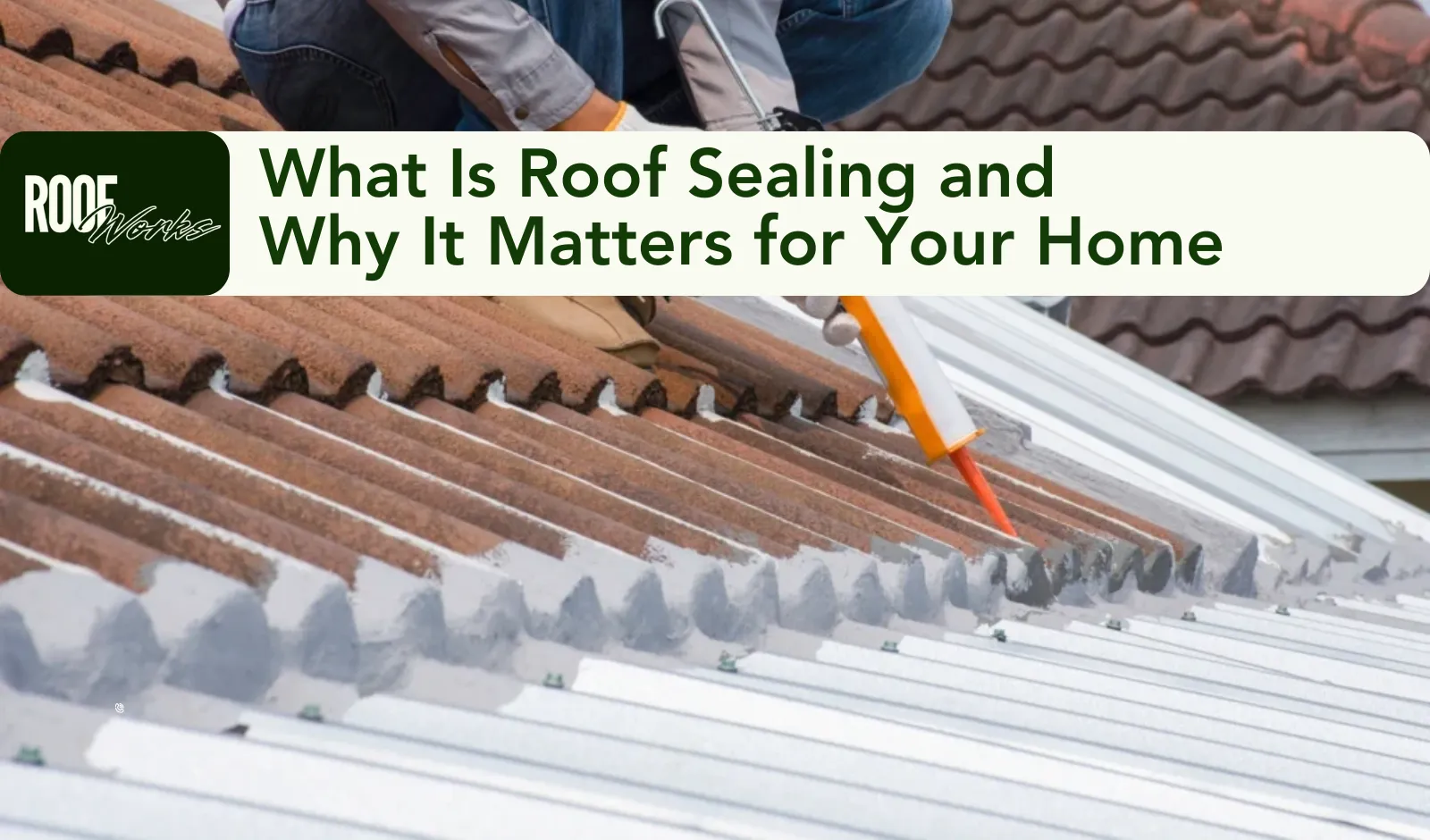
Every roof is exposed to sun, rain, and changing temperatures throughout the year. Over time, this constant exposure causes gradual wear and tear that can weaken roofing materials and increase the risk of leaks. One preventative option many property owners consider is applying a protective treatment to the roof surface.
Understanding how this process works helps homeowners decide whether it is suitable for their roof and how it fits into a long-term maintenance plan.
What Is Roof Sealing?
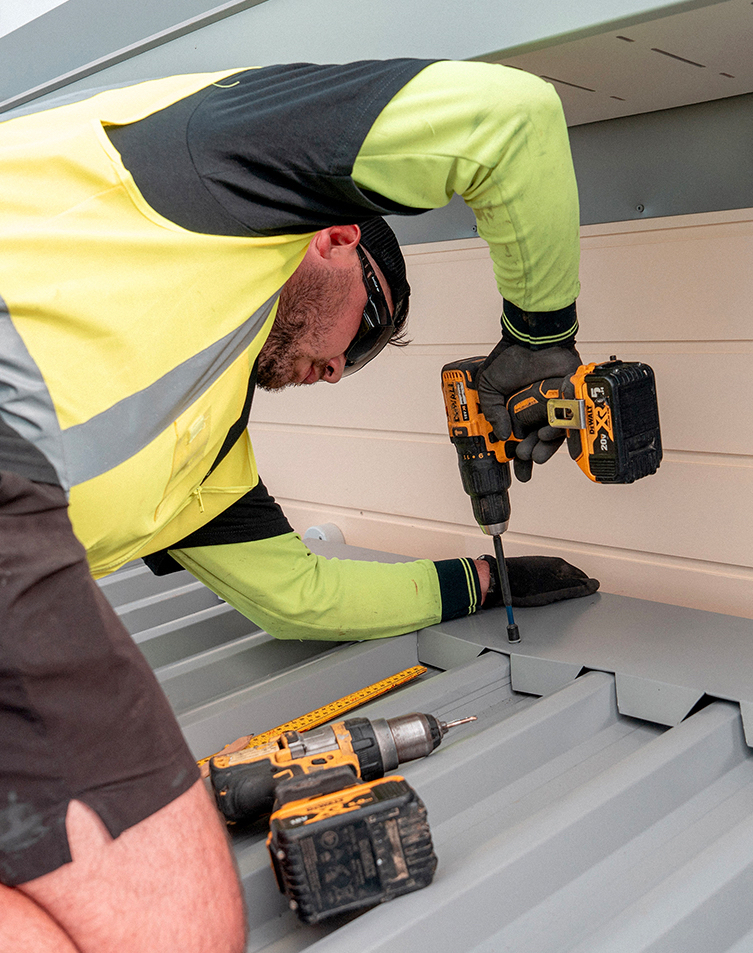
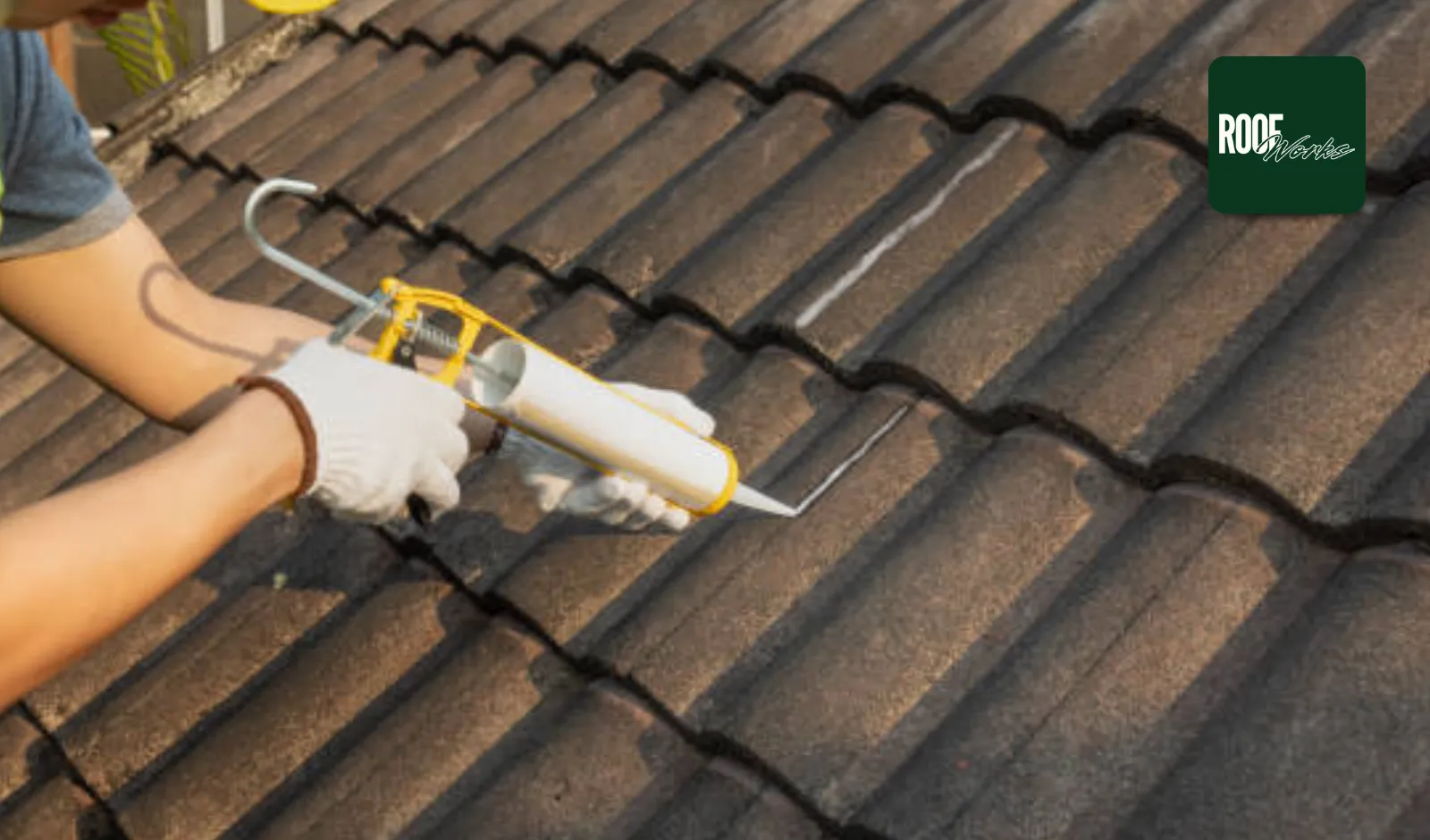
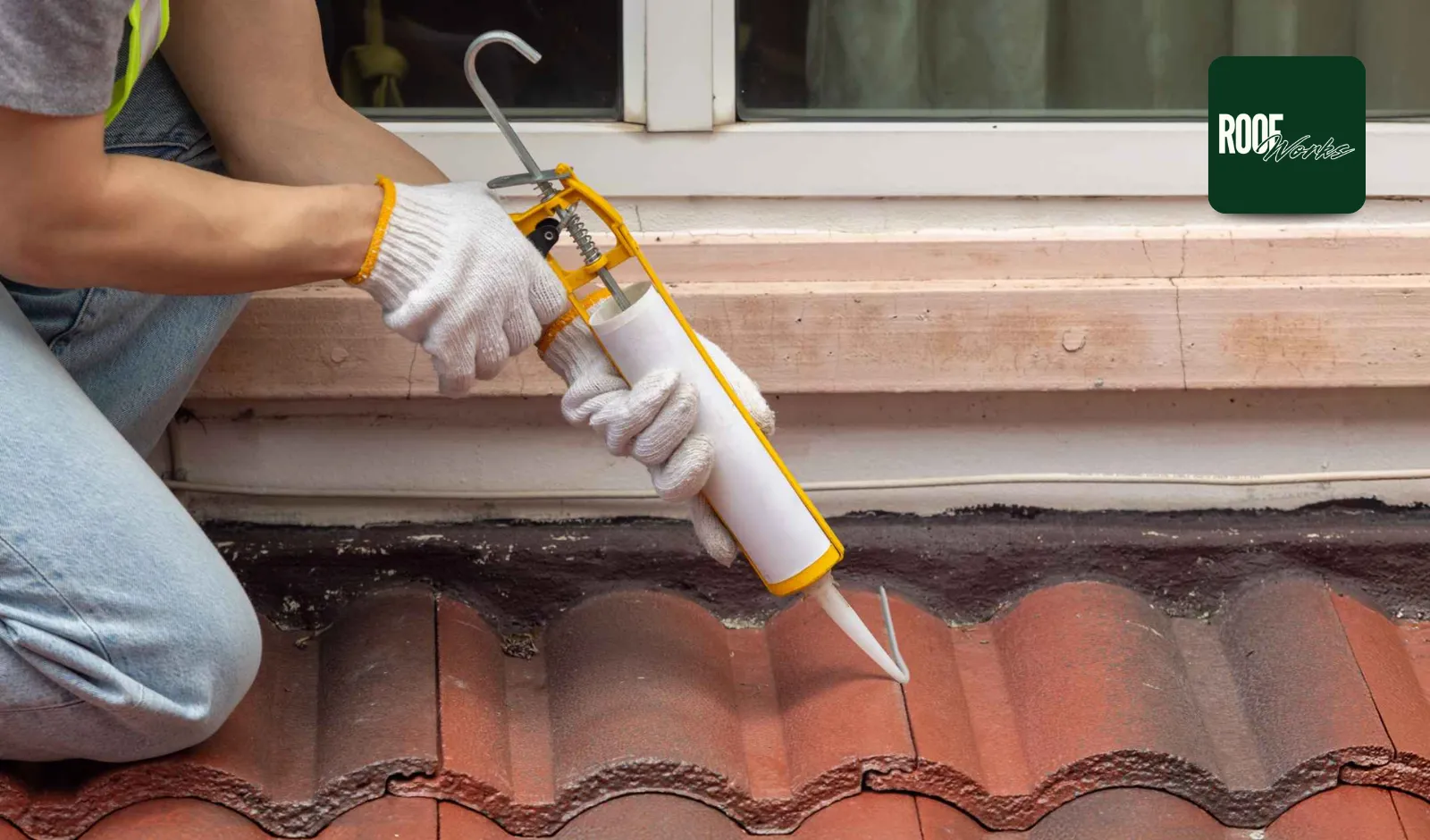
Roof sealing involves applying a roof coating or roof sealant that forms a protective layer over the roof surface. This layer helps block moisture, improve UV resistance, and protect vulnerable areas such as joints and seams.
Rather than replacing the entire roof, this method works with the existing structure. It is commonly used on metal roofs, concrete tiled roofs, and other roof types that remain structurally sound but are showing early signs of ageing.
How a Roof Sealant Protects the Roof
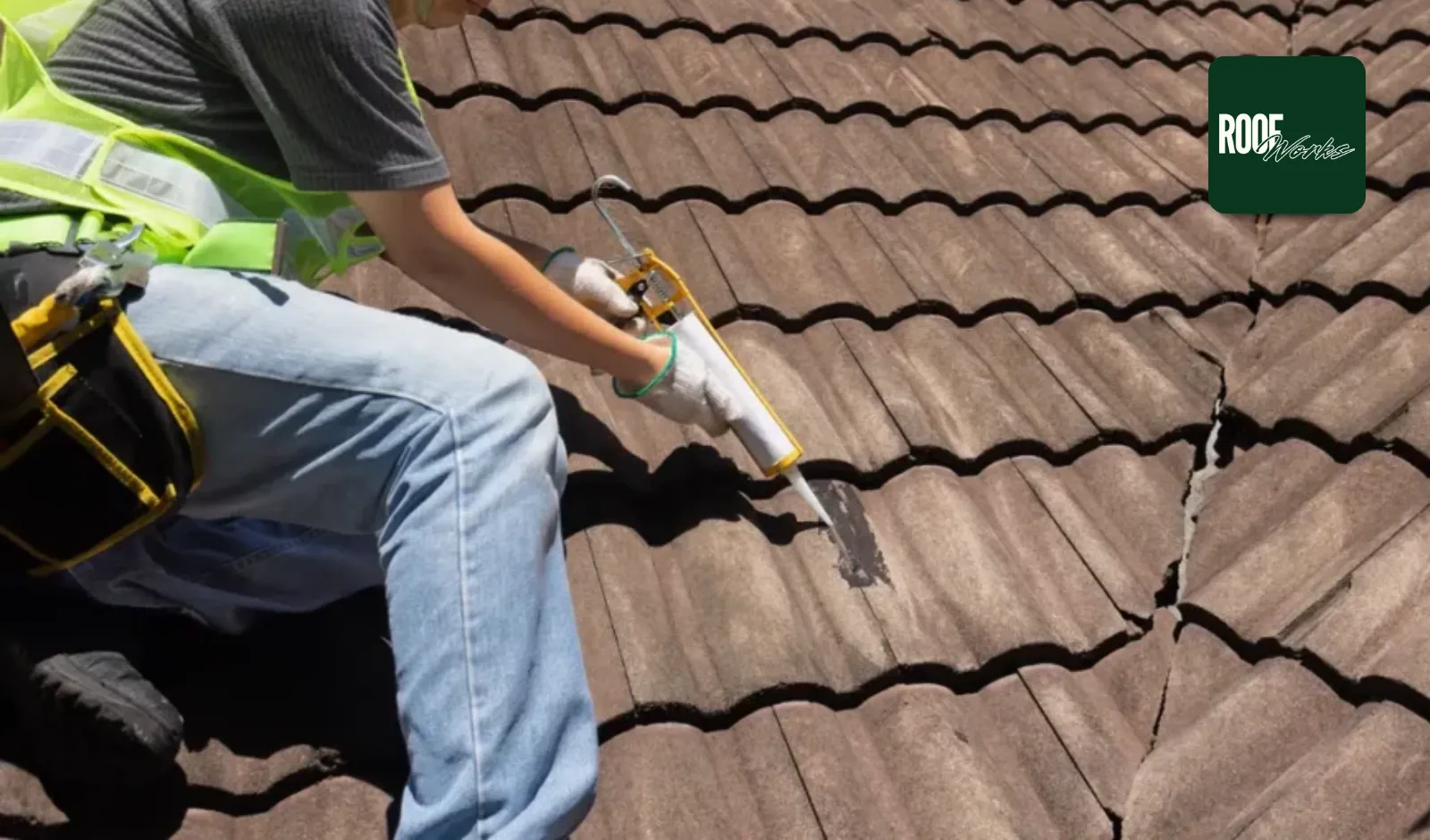
A roof sealant creates a flexible barrier designed to move with the roof as it expands and contracts due to temperature changes. This flexibility helps reduce cracking and splitting over time.
When applied correctly, this protective layer helps:
- Reduce water penetration
- Improve resistance to UV exposure
- Support long-term durability
- Slow down surface deterioration
Roof Types That Benefit From This Treatment
Not every roof is the same, and each specific roof requires the right product and application approach.
This method is commonly applied to:
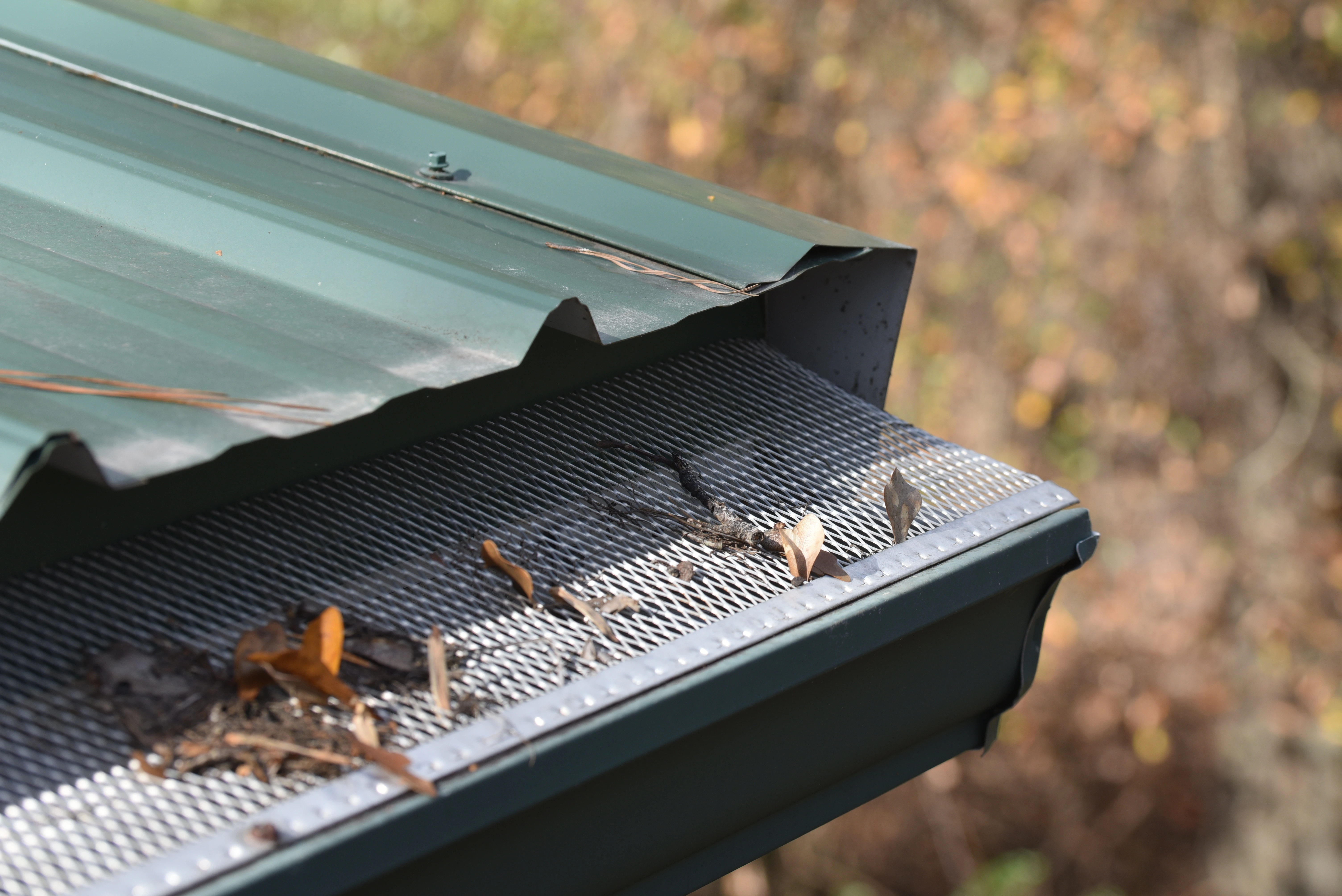
- Metal roofs, where joints and fasteners are exposed
- Concrete tiled roofs, which can absorb moisture over time
- Low-slope or flat roofing systems
- Older roofs affected by prolonged weather exposure
A professional assessment helps ensure the coating used suits the roof type and does not trap moisture.
Benefits for Property Owners
Applying a protective roof coating offers several practical advantages for both homeowners and commercial property owners.
- Cost-Effective Protection
Compared to a complete roof replacement, this approach is often more affordable. In many cases, it can delay major roofing work by years, depending on the roof condition and environmental exposure.
- Improved Weather Resistance
A sealed surface improves protection against rain, wind, and sun, helping reduce early breakdown of roofing materials.
- Extending the Life of the Roof
By limiting exposure to moisture and UV damage, this solution supports extending the life of the roof and maintaining consistent performance.
- High Quality Finish
Modern products provide a smooth, high-quality finish that improves both protection and overall appearance.
Issues This Process Can Help Reduce
When applied correctly, a roof coating can help reduce:
- Surface cracking
- Moisture penetration
- Early material deterioration
- Minor leaks caused by wear
However, it is not a solution for severe damage. Roofs with structural issues or areas that already trap moisture may require repairs first, which is why many homeowners explore roof repairs in Auckland before deciding whether a protective coating is suitable.
Protective Coatings vs Roof Repairs
A coating is considered a preventative solution, while roof repair focuses on fixing existing damage. In many cases, minor repairs are completed first, followed by application of a protective layer.
If water enters the home suddenly or damage worsens quickly, emergency roof leak repair may be required before any coating work can proceed.
In regions with frequent weather exposure, many homeowners include protective treatments as part of a broader roof care and maintenance plan.
When This Option May Not Be Suitable
Applying a coating may not be recommended if:
- The roof structure is compromised
- Moisture is already trapped beneath the surface
- Roofing materials are beyond repair
- A full roof replacement is required
A professional assessment helps determine whether this approach is appropriate for the roof project.
Importance of Professional Application
Correct preparation and application are essential for long-term performance. Using unsuitable products or applying them incorrectly can reduce effectiveness or lead to further issues.
Experienced professionals understand roofing materials, roof movement, and product compatibility, ensuring the coating performs as intended over time.
Final Thoughts
Understanding what roof sealing is helps homeowners recognise its role in protecting roofs from ongoing wear and tear. When applied to the right roof and carried out correctly, it offers a cost-effective way to improve weather resistance and support long-term roof performance. Roof Works recommends using this approach as part of a proactive maintenance strategy rather than a response to significant damage.
Take the Next Step to Protect Your Roof
If your roof is showing early signs of ageing or weather exposure, professional advice can help determine whether a protective coating is the right solution for your roof type.
Call us today on 03 667 3174 or book online to save $15 and get expert guidance on protecting your roof for the long term.


Got a question?
Contact us for a FREE installation quote or book your job online today.

Same Day Service Guarantee - Terms & Conditions

The "Same Day Service Guarantee or it's Free" applies to:
a. Residential work and Commercial only.
b. Jobs specified as needing same day service when booking a job by phone or online.
c. Residential and Commercial work booked with Grammar Electrical:
i) Before 11:00AM
ii) For calls or online bookings received after 11:00AM, the customer will be offered a job. Booking for the next business day and normal callout fees ($170+ GST) will apply.
iii) Any other jobs booked outside business hours (9:00AM - 5:00PM Monday- Friday) will incur after hours charges.
iv) This offer is excluded for jobs booked on New Zealand public holidays.
d. If Grammar Electrical are unable to attend on the same day (within 24 hours) for a job booked by the customer, the standard callout fee of $170 + GST will be waived and is free, but all other normal charges, fees and expenses will apply to perform the Electrical Services and to provide any products/materials concerning those services.
e. The Standard Callout Fee will be deducted from your bill as long as you pay within your invoice's due date. The callout charge is applicable if your invoice is overdue.
f. If Grammar Electrical are willing and able to perform the Service or provide the Goods on the same day the job is booked, however the Customer for whatever reason does not give access to their property on the day, Grammar Electrical will be deemed to have complied with it's "Same Day or it's Free" guarantee and shall be entitled to charge the customer the standard call-out fee.
g. This offer is not a guarantee of work being completed. The completion of the job will depend on stock availability and also the amount of work required.